Eerie, disturbing, tragic, brilliant…
And watch the video on “The Making of…“. It took seven years to make this nine-minute film.

Reflections on life at “De Witte Wand”…
Eerie, disturbing, tragic, brilliant…
And watch the video on “The Making of…“. It took seven years to make this nine-minute film.
The Boijmans Van Beuningen museum in Rotterdam has a vast collection of items, of which only about 6 to 8% of which are on display at any one time. The rest were being housed in a variety of locations in the Netherlands, including the basement of the museum.
The basement was flooded in 2013, thus prompting a plan to build a new storage facility close to the museum that would be capable of housing the entire collection.
This became the Depot Museum Boijmans van Beuningen – simply and aptly known to Rotterdammers as “De Pot” (the Pot).
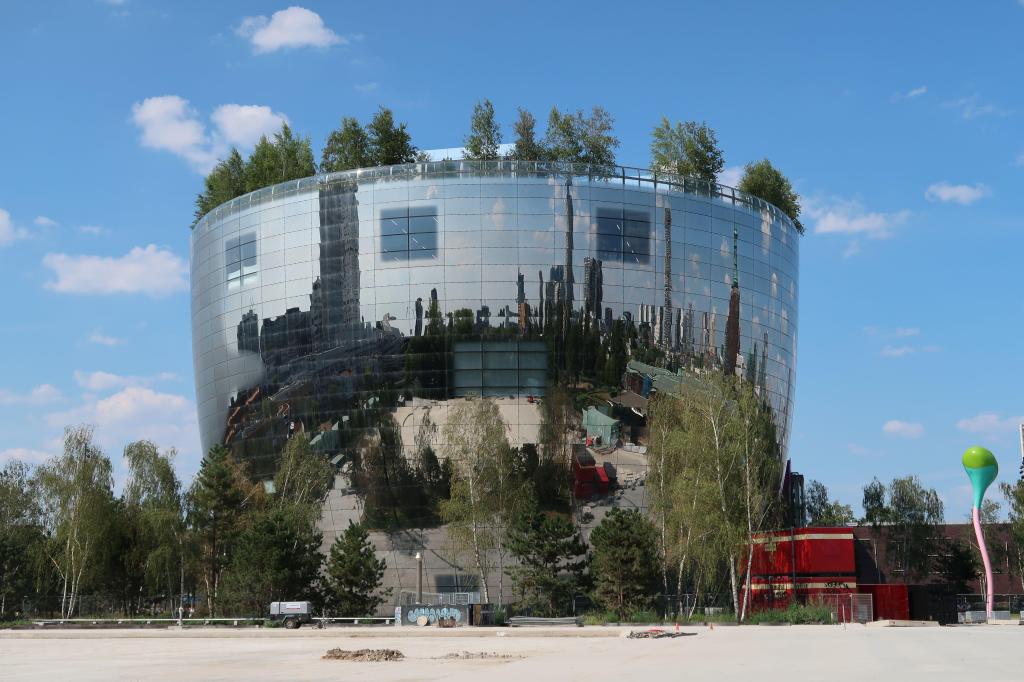
Unlike most museum storage facilities, it is open to the public and I visited it yesterday for the first time in the company of two friends.
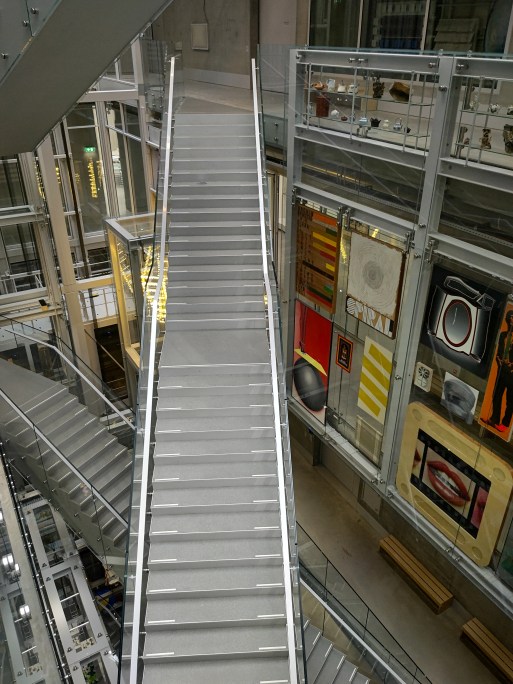
I was most impressed by it. It has a central atrium criss-crossed by stairs connecting the six floors, with some of the collection being displayed in glass cases around the atrium. Information about the objects is revealed via the Depot App used to scan QR codes next to the objects.
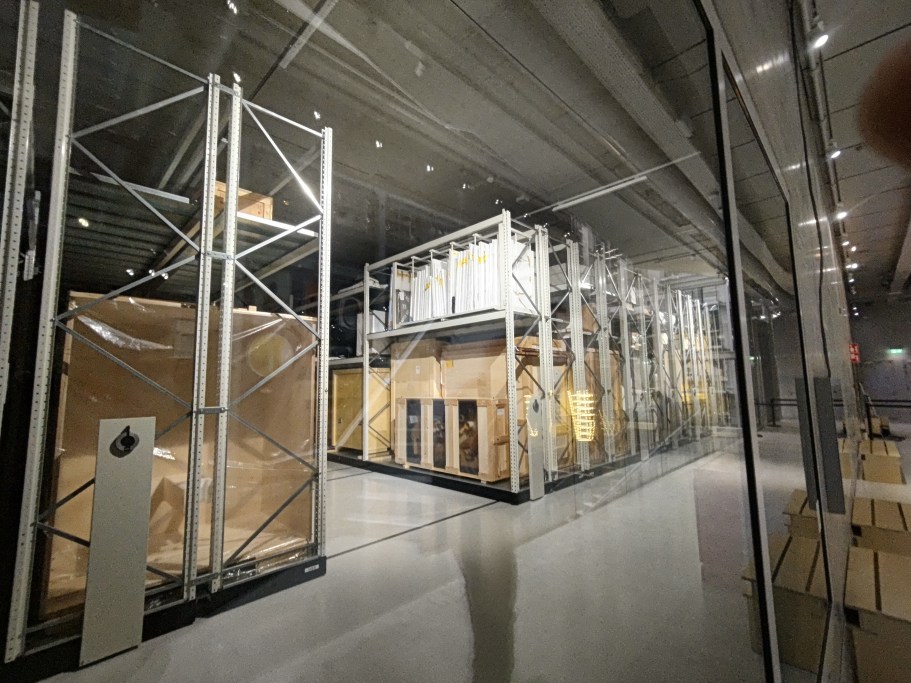
There are passenger lifts and a massive freight lift used to get the pieces to the storage rooms. All the storage rooms are climate controlled, and short tours of small groups are given by the curators.
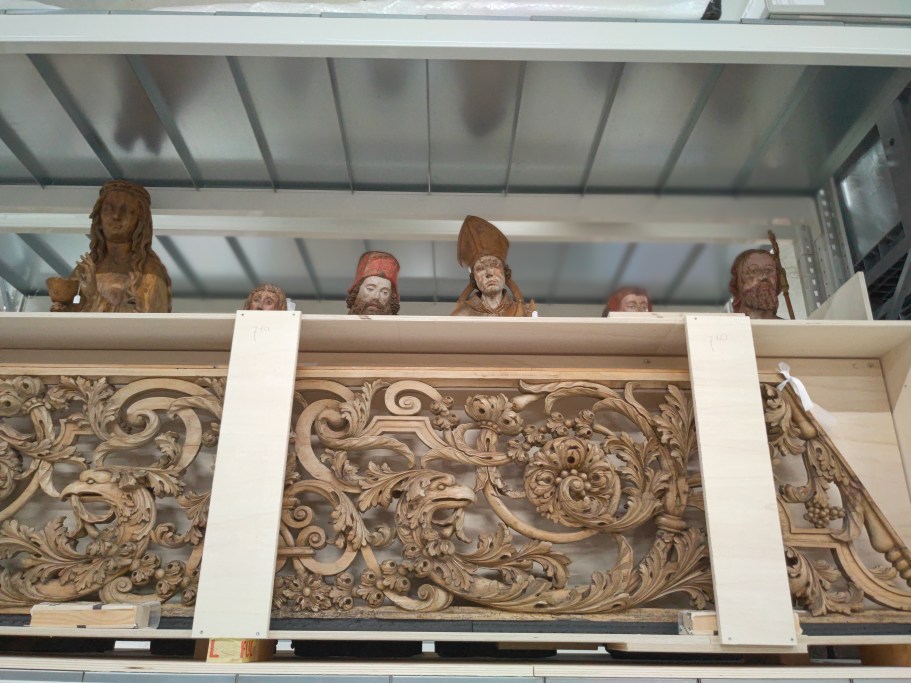
There are areas where themed exhibitions are held, and the current programme is to be found on the Depot website.
The rooms where the curators and conservators work can be viewed via windows in the atrium.
The Depot is topped off with a roof garden and restaurant.
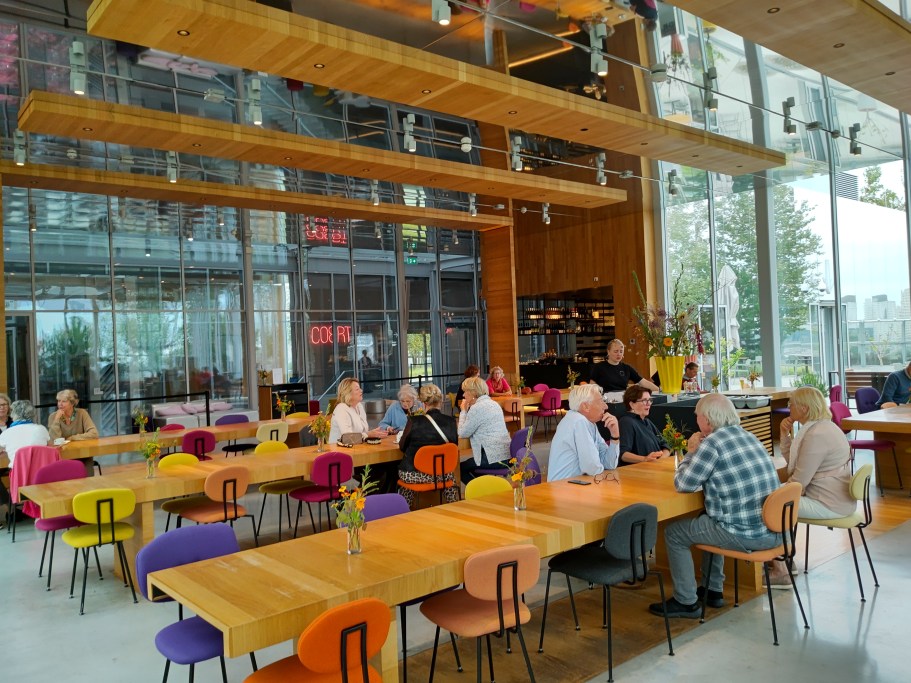
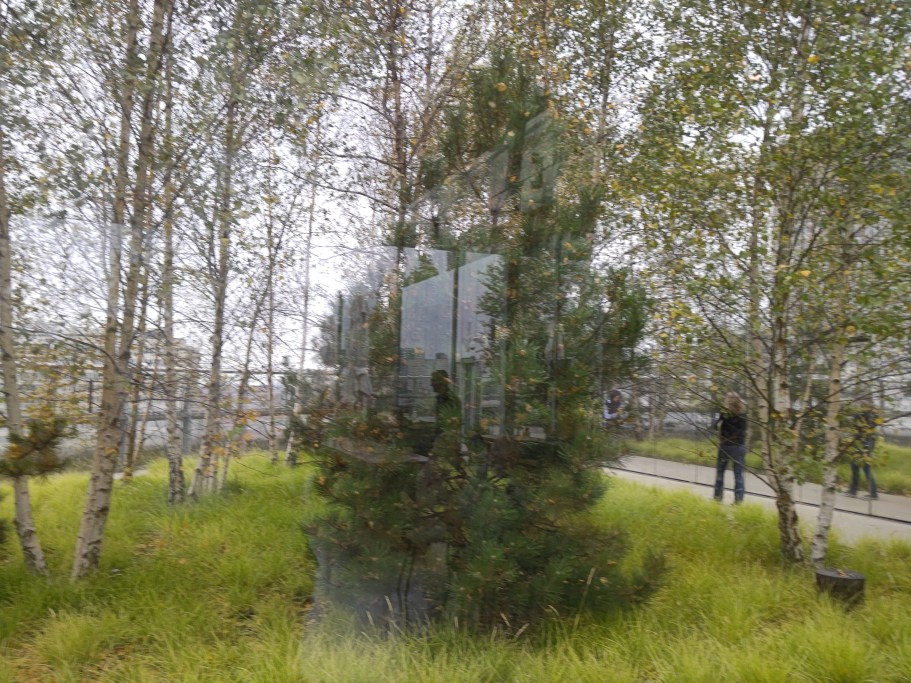
When the Depot first opened in 2021, the Architecture critic of the Guardian was a bit sniffy about it, but I found it an interesting place to visit and learn from. Of course, with over 155,000 objects in the museum’s collection, each visit can only make a tiny scratch on the surface.
The Boijmans van Beuningen museum itself is currently closed until 2030 for major renovations. When it reopens, there will be more space to reveal their collection. If I’m still here, I look forward to that.
I remember visiting the warehouse in San Francisco where the Aids Memorial Quilt is stored in 1992, and then seeing the Dutch contributions to the quilt laid out in the Vondelpark in Amsterdam during the 1998 Gay Games.
I wept both times.
Now the UK Aids Memorial Quilt is being displayed in London’s Tate Modern museum for a short time.
Lest we forget.
It’s called “Tales From The Loop”. It has taken several forms: an art book, a role-playing game, and now a TV miniseries of eight episodes available on Amazon Prime Video.
It’s a world that has emerged from the imagination of Swedish artist Simon Stålenhag. A world that merges a rural landscape with elements of small-town Swedish life in the 1980s and the detritus of yet-to-be invented technology.
You can get some idea of the shape of the landscape and the artist’s inspirations for it from this short film that was made in 2015 for the Kickstarter project to produce the English versions of his books.
While waiting for my copy of the book to arrive at the local bookshop, I thought I would take a look at the TV miniseries. The trailer certainly looked intriguing – and it had the added bonus of having Jonathan Pryce in one of the roles.
I saw the first episode and was instantly hooked. This is my kind of Science Fiction – the miniseries is really eight interlinked tales that explore different facets of the human condition. They reminded me of the writings of Ray Bradbury; in particular those of growing up in a small town, where the fantastical is glimpsed out of the corner of the eye: Dandelion Wine, and of the tale of growing old: I Sing The Body Electric.
Highly recommended.
My blog post about the photographer Jimmy Nelson reminded me to write a post about another photographer whose work I really like: Erwin Olaf.
There’s recently been a major exhibition of his work in two museums in The Hague, and I visited it with a photographer friend of mine (this, I think, was his third visit to see the exhibition). Olaf has been making photographs since the early 1980s, and his first collection was published in Stadsgezichten (City Faces) in 1985.
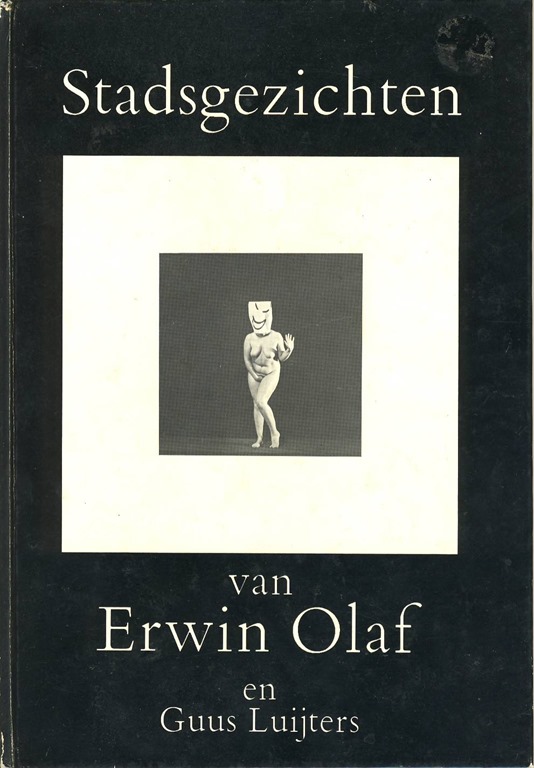
It was a collection of two styles: street photography of Amsterdam’s nightlife, and studio portraits.
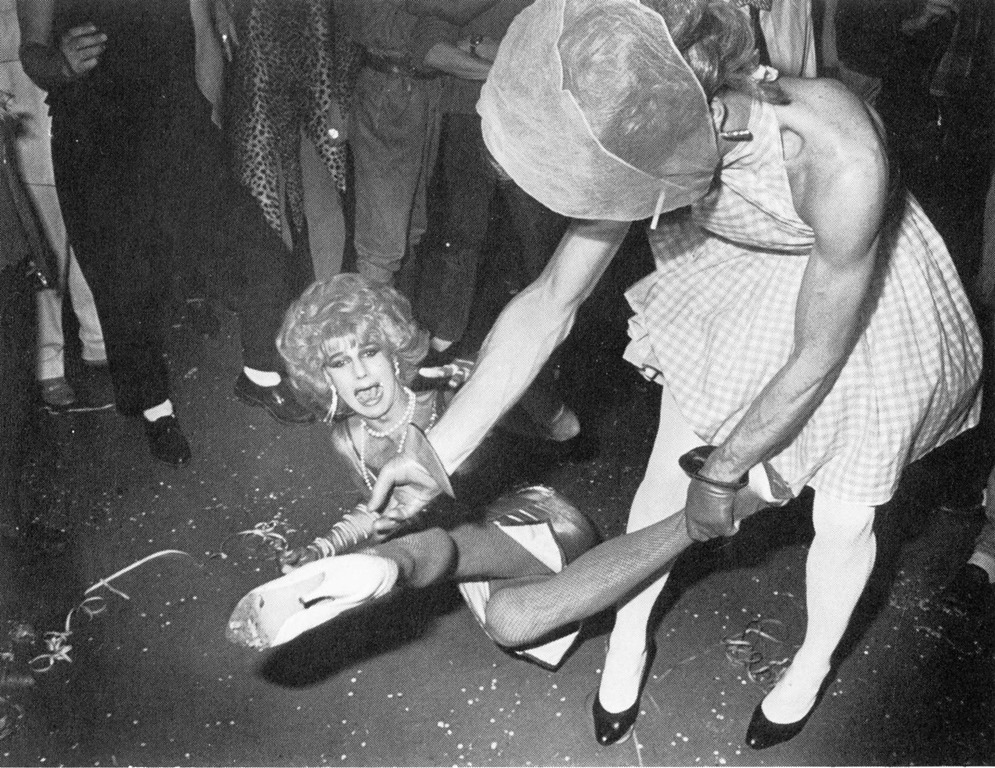
I’m pretty sure that that is Henk (on the ground) and Laurens – two guys I used to know from when I lived in Scheveningen. They were frequent visitors to Amsterdam’s nightlife. I recall a visit with them to Chez Manfred and the Floral Palace…
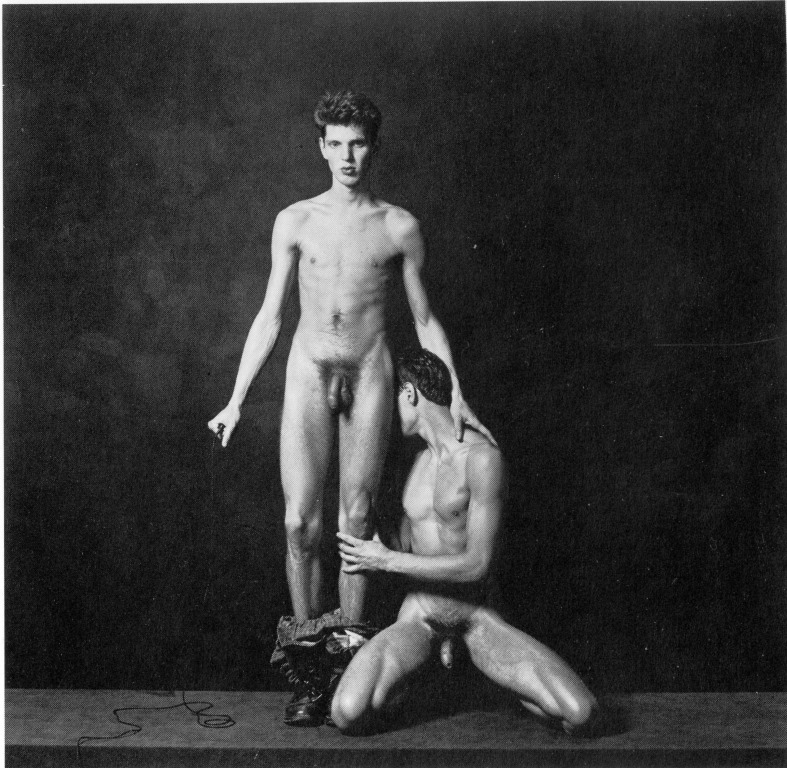
This is a self-portrait of Erwin and Teun, made in 1985. He reshot this with the exact same poses in 2019 for the exhibition. The two portraits hung side by side and made a statement about the passage of time.
His work has evolved over the years, taking in video and installations along the way, to creating scenes that hint at stories captured in the image. What the stories are about is left for the viewer to construct. For example, this image from the 2012 series Berlin:

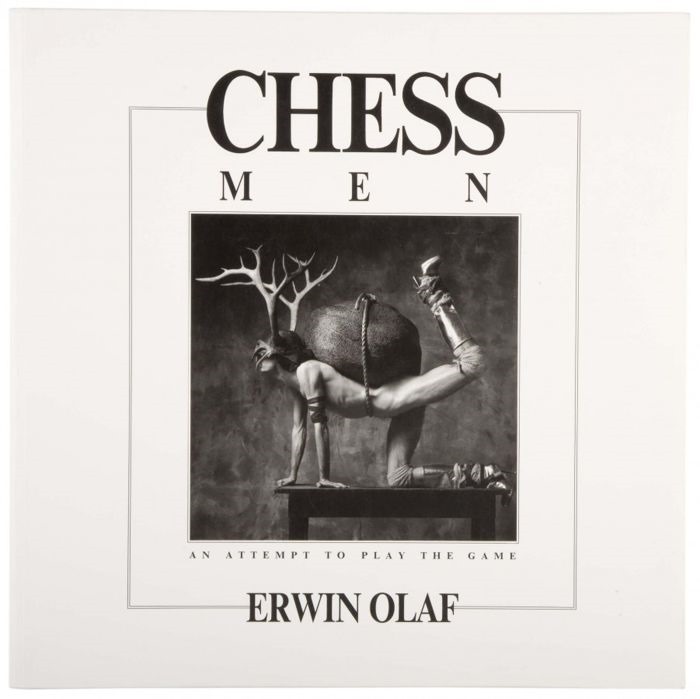
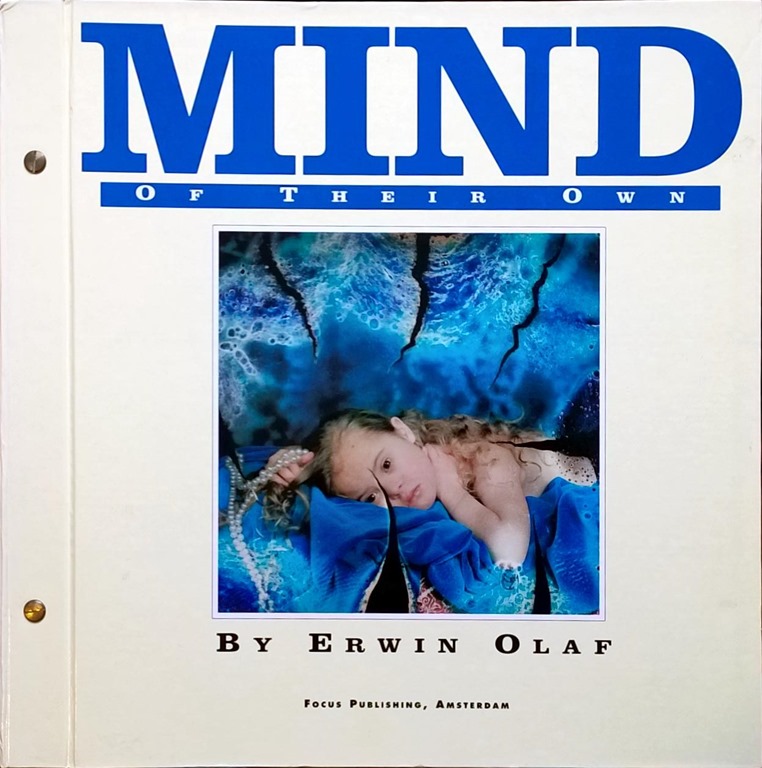
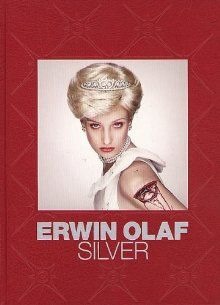
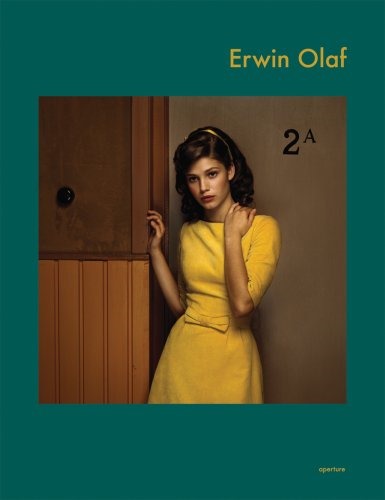
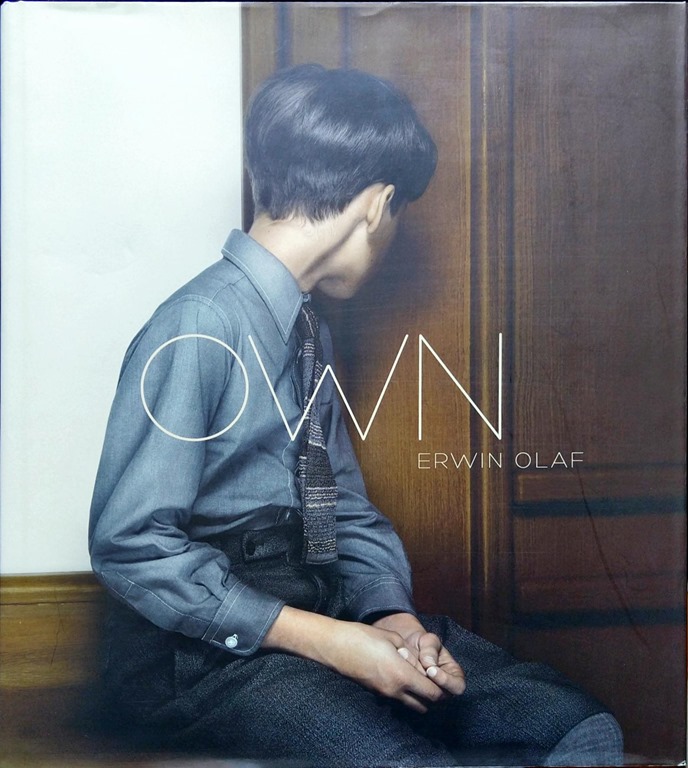
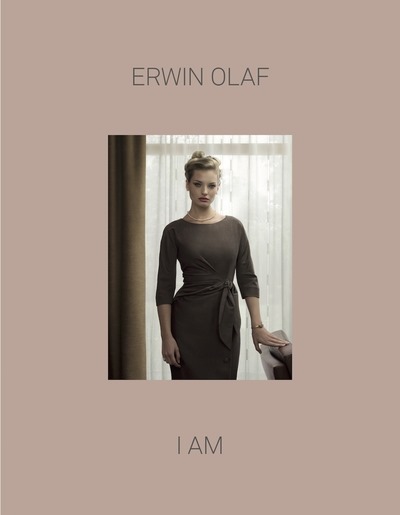
I’m pleased to have a selection of his books in the library, starting with Stadsgezichten, and travelling through Chessmen, Mind Of Their Own, Silver, Erwin Olaf, Own, and I Am.
The Guardian reports today that Steve Ditko has died aged 90. He was one of the great comic book artists. I remember as a boy going round the corner to the newsagents in Walpole Avenue, in Douglas, Isle of Man, because they had the best selection of American comics in town. I soon came to recognise the Ditko name and his style of art, and always picked up an issue if he had illustrated a story in it. Alas, my comic collection has long since perished.
Walpole Avenue was a narrow street, and across the road from the newsagents was the Royalty Cinema, long since demolished. During the summer seasons in the 1950’s and up until the mid 1960’s it hosted live shows, usually of the stage hypnotist, Josef Karma – always billed as “The Great Karma”. I saw his show on at least two occasions, and was suitably impressed.
Childhood memories…
As well as visiting the Crawick Multiverse last week, I also visited another of Charles Jencks gardens: the Garden of Cosmic Speculation. Whilst both gardens share common themes, and the use of sculpted landforms, there were also marked contrasts between the two. Perhaps the biggest was the fact that at the Multiverse, there were just two other visitors aside from my brother and me. At the Garden of Cosmic Speculation, I was one of over 2,500 visitors… This was no doubt caused by the fact that the GoCS is open to the public for just one day each year, whereas the Multiverse is open every day. The Multiverse is also relatively new – it was opened in June 2015 – whilst the GoCS was established in 2003.
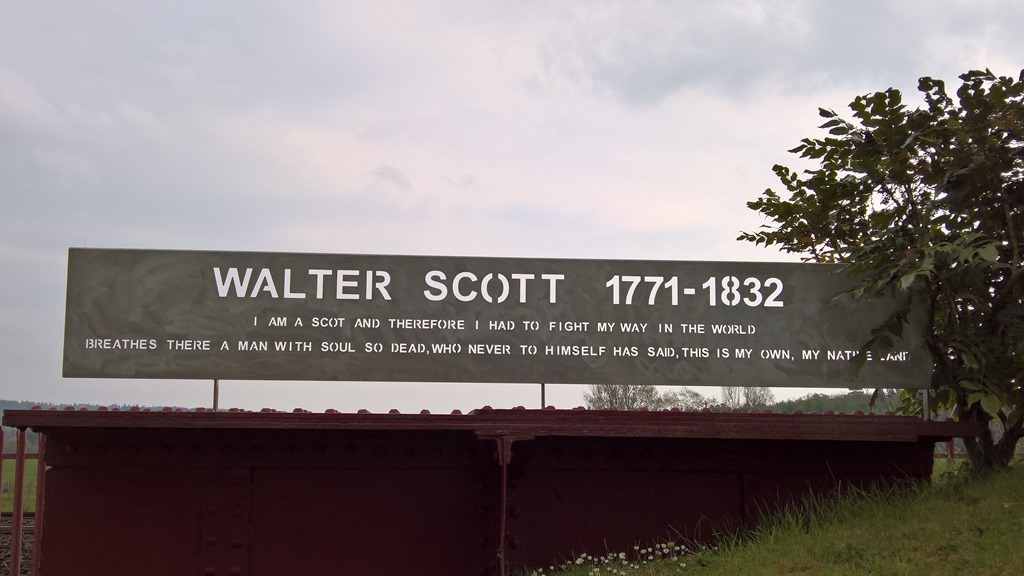
At the visitors’ entrance is the Garden of Worthies – a row of plaques – leading to the Buttocks, complete with a notice on this day:
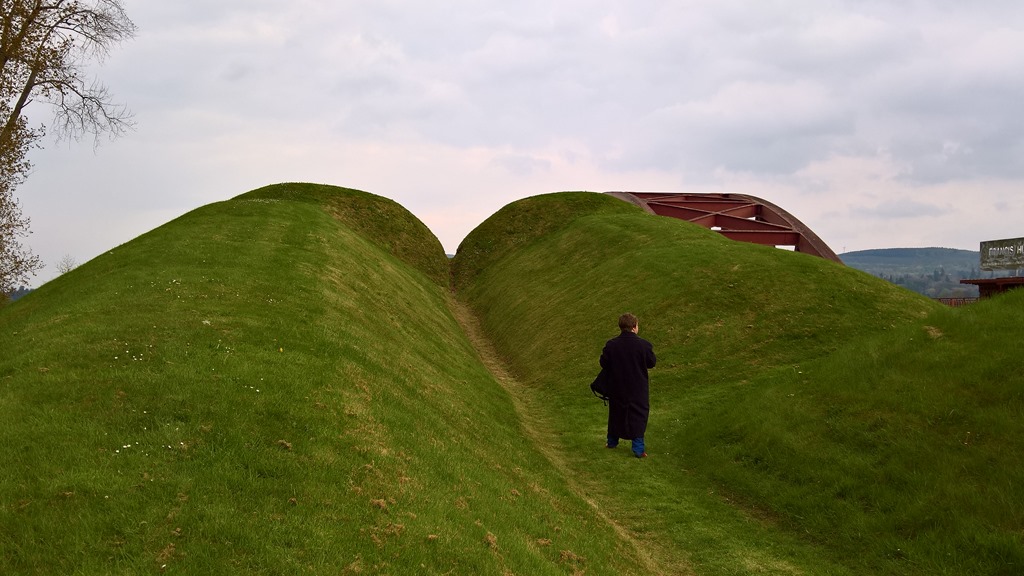
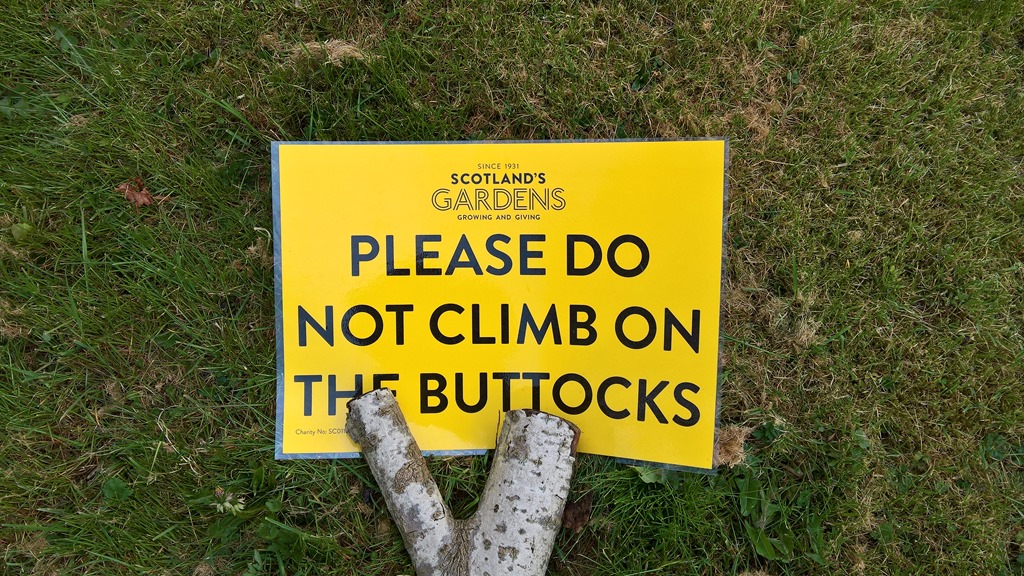
Along the way, I passed Charles Jencks himself:
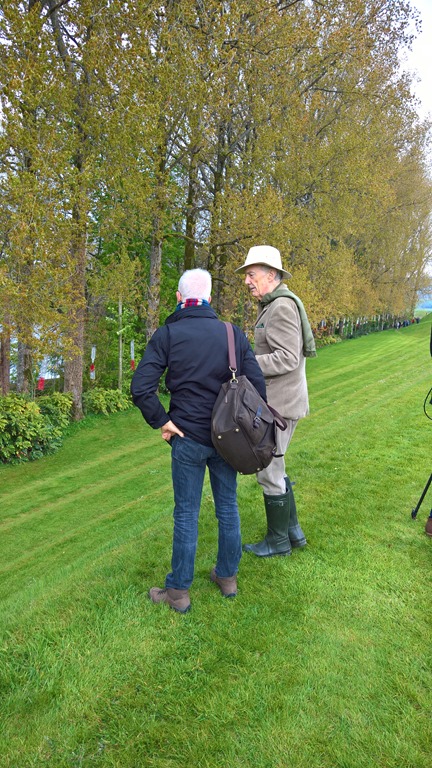
The garden contains Jencks’ signature landforms, and the Snail Mound was extremely popular with visitors:
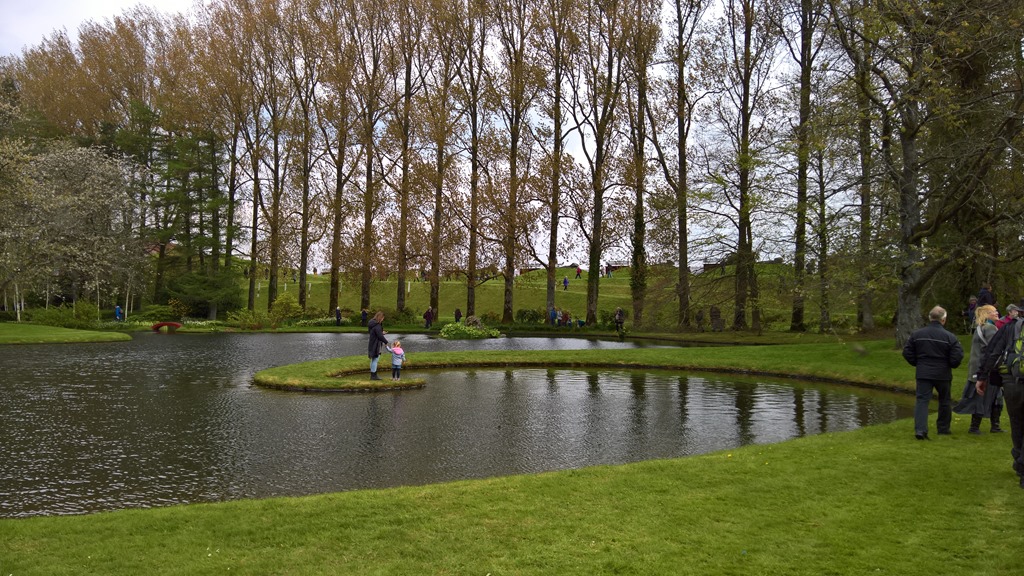
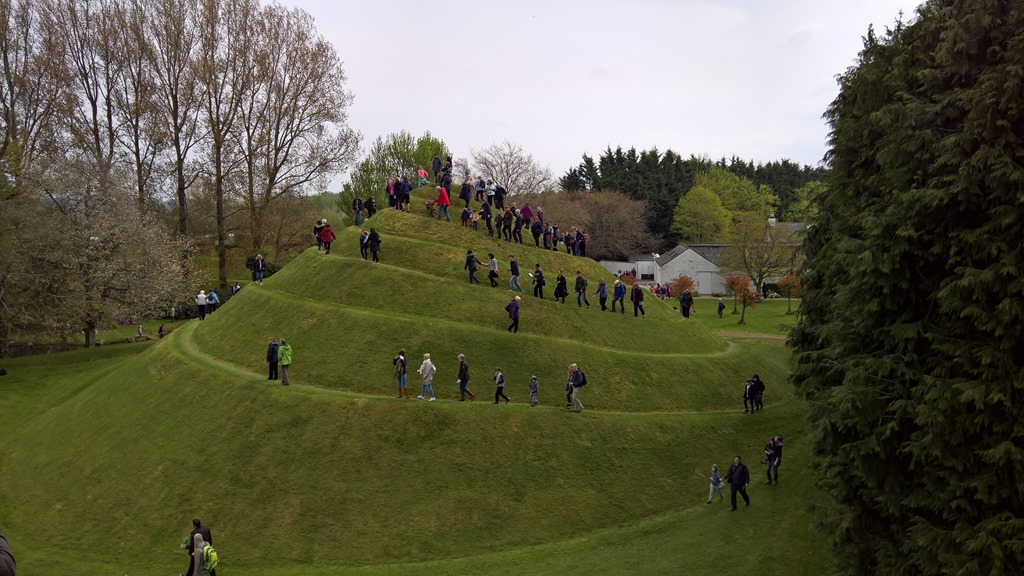
Another stunning garden.
…wait until after the 7th September 2014 before visiting the Rijksmuseum. Why? Because until then, my least-favourite philosopher, Alain de Botton, has apparently filled the Rijksmuseum with giant Post-it notes of his own. It doesn’t sound promising:
De Botton’s evangelising and his huckster’s sincerity make him the least congenial gallery guide imaginable. He has no eye, and no ear for language. With their smarmy sermons and symptomology of human failings, their aphorisms about art leading us to better parts of ourselves, De Botton’s texts feel like being doorstepped.
Pity, I still haven’t managed to get back to visit the Rijksmuseum since its grand reopening following a ten-year refurbishment. I want to see L’Amour Menaçant by Etienne-Maurice Falconet again. However, I really don’t want to wade through de Botton’s golden shower of musings during my visit.
Addendum: whilst I don’t like to kick a man while he’s down, this piece of invective from the Spectator contains some choice morsels:
All this would be easy to ignore, except that his latest book Art as Therapy, co-written with art historian John Armstrong, now has a wretched afterlife in a museum. And it’s not just any old provincial museum, but the Rijksmuseum. This important and scholarly institution should frankly be embarrassed. From April to September this year we’ll be able to visit its world-class collection of medieval art, Dutch Golden Age paintings and 20th-century artefacts and find de Botton’s anodyne thoughts, in their utterly uninsightful, depressingly reductionist therapeutic guise, accompanying not only the works on display, but items in the shop, the café, the cloakroom and the entrance.
Well, quite.
Arthur C. Clarke once wrote:
Any sufficiently advanced technology is indistinguishable from magic.
That’s the thought behind this video: Box.
(hat tip: Richard Wiseman)
The sculptor and designer Graeme Gilmour has died far too early at the age of 48. I never had the privilege of seeing any of his outdoor theatre events, but I treasure my evening in the Amsterdam Schouwburg theatre watching Shockheaded Peter. A terrific production in every sense of the word.
I’ve always enjoyed visiting the Rijksmuseum, the grand old lady of Amsterdam’s many museums. However, she’s been closed since 2003 for a refurbishment that was supposed to have been completed in 2006.
Here we are in 2013, and she’s about to throw open her doors once more to the world. I’ll be paying her a visit later this year, to marvel at her many wonders.
…as you’ve never seen it before…
Strangely, I seem to have remembered the same odd places from the 1970s as well…
August Schram – clearly someone who has the same odd recollections, even if he is too young to have been there.
The UK’s National Gallery has just opened a major exhibition of Leonardo Da Vinci’s works. It’s a blockbuster, completely sold out, and the buzz has also reached the Netherlands, with articles in the Dutch press and items in the media. I happened to watch one on Dutch TV this evening – a segment on De Wereld Draait Door. In it, the Art Editor of the Volkskrant newspaper, Wieteke van Zeil, and Emilie Gordenker of the Mauritshuis museum gave their views on why the exhibition was a “must see” event.
I must say, I felt frustrated by what they had to say. Van Zeil opened up the discussion by saying that “The Lady With an Ermine” was a better painting than the Mona Lisa. Her evidence appeared to be simply that she thought it was a better painting… Er, sorry, but that’s not really sufficient. Had she mentioned some of the pertinent facts about the painting, then I would have been nodding in agreement, but a bald “it’s a better painting” is simply not good enough, and she’s supposed to be the Art Editor of the Volkskrant, for heaven’s sake.
Well, OK, I thought, she’s only the Art Editor of the Volkskrant, she may have just a broad but shallow knowledge of Art. Let’s hear the real background from Ms. Gordenker. As Director of the Mauritshuis, she will obviously give us the facts on why this painting is so important.
But, blow me down, she didn’t. She also wittered on about the beauty of the painting and the brushstrokes…
Dammit, it’s not just about technique! It’s also about the fact that this painting is the first modern portrait in the history of art.
The woman in the painting, Cecilia Gallerani was the 16 year-old mistress of Da Vinci’s patron, Ludovico il Moro. She looks not at us, but away to someone else with a faint smile, which immediately raises the question of whom she was looking at. Da Vinci gives us a hint. She is holding an ermine, which symbolises purity. Da Vinci states this in his notebooks. Not only that, but the Greek name for ermine, γαλή, recalls the name Gallerani. Furthermore, the animal could also be a hint to Ludovico il Moro himself. Ludovico was called “Italico Morel” (white ermine), because he had become a member of the Order of the Ermine in 1488, when the King of Naples had conferred the title upon him.
There is more to this painting than simply brushstrokes and all of this was not mentioned in the interview. What a wasted opportunity!
A large package was delivered yesterday morning. It turned out to be a work of art. My dearest friend, Len Curran, had, amongst his many other talents, an eye for Art. Many was the time during his travels abroad that he would struggle back with a sculpture, or a huge painting, and then argue with the airline about excess baggage.
The end result was that his house became ever more stuffed with his art collection. It was made even more acute as he downsized his accommodation space over the course of the years.
When Len died, his closest friend Mo asked me if I wanted anything from the collection as a memento, and I said that, if it were possible, I would like one particular piece. It’s by a Filipino artist, Noel Soler Cuizon, and is a mixed media piece with the title: Someday, I’ll Go Back To Heaven. That’s what arrived yesterday.
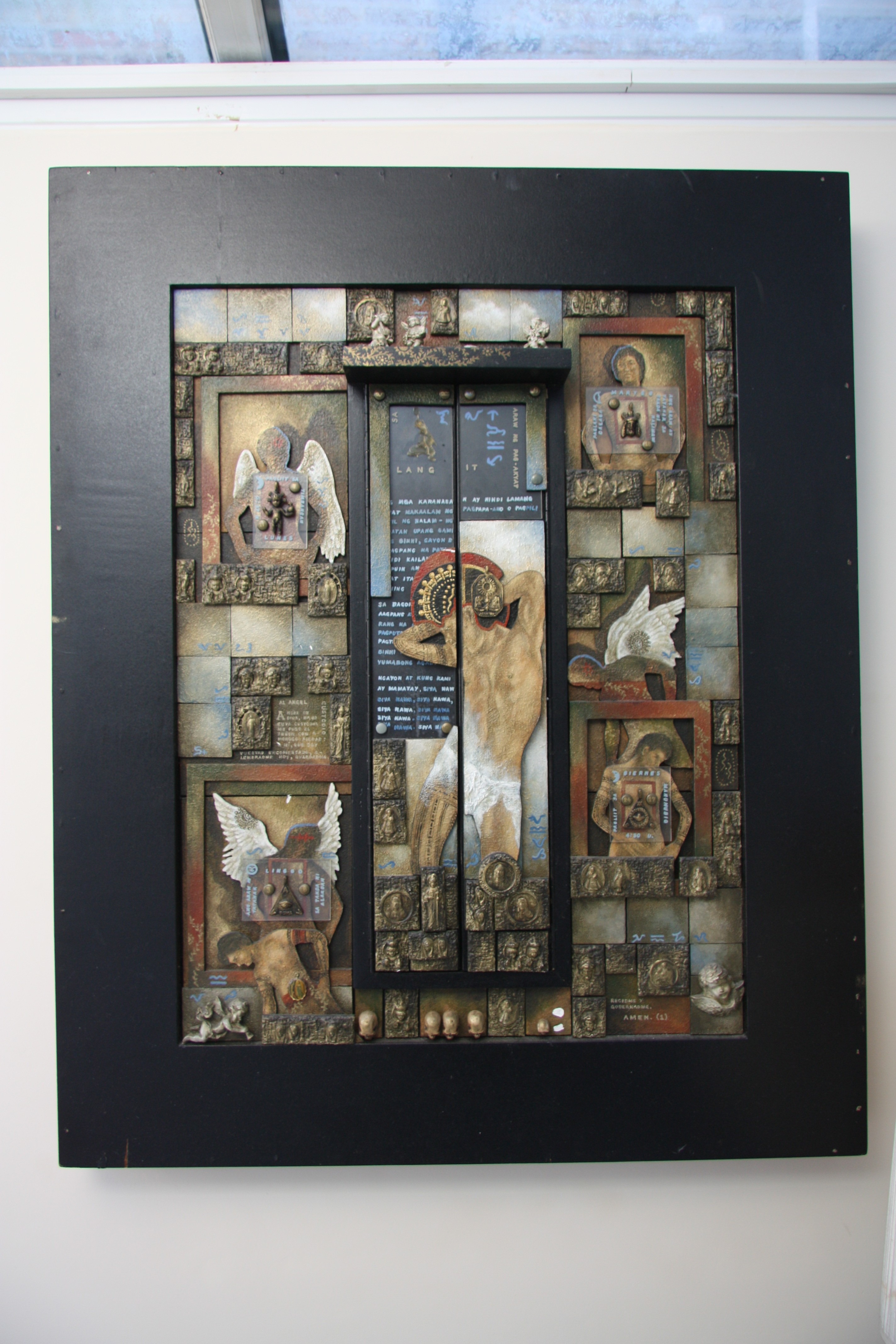
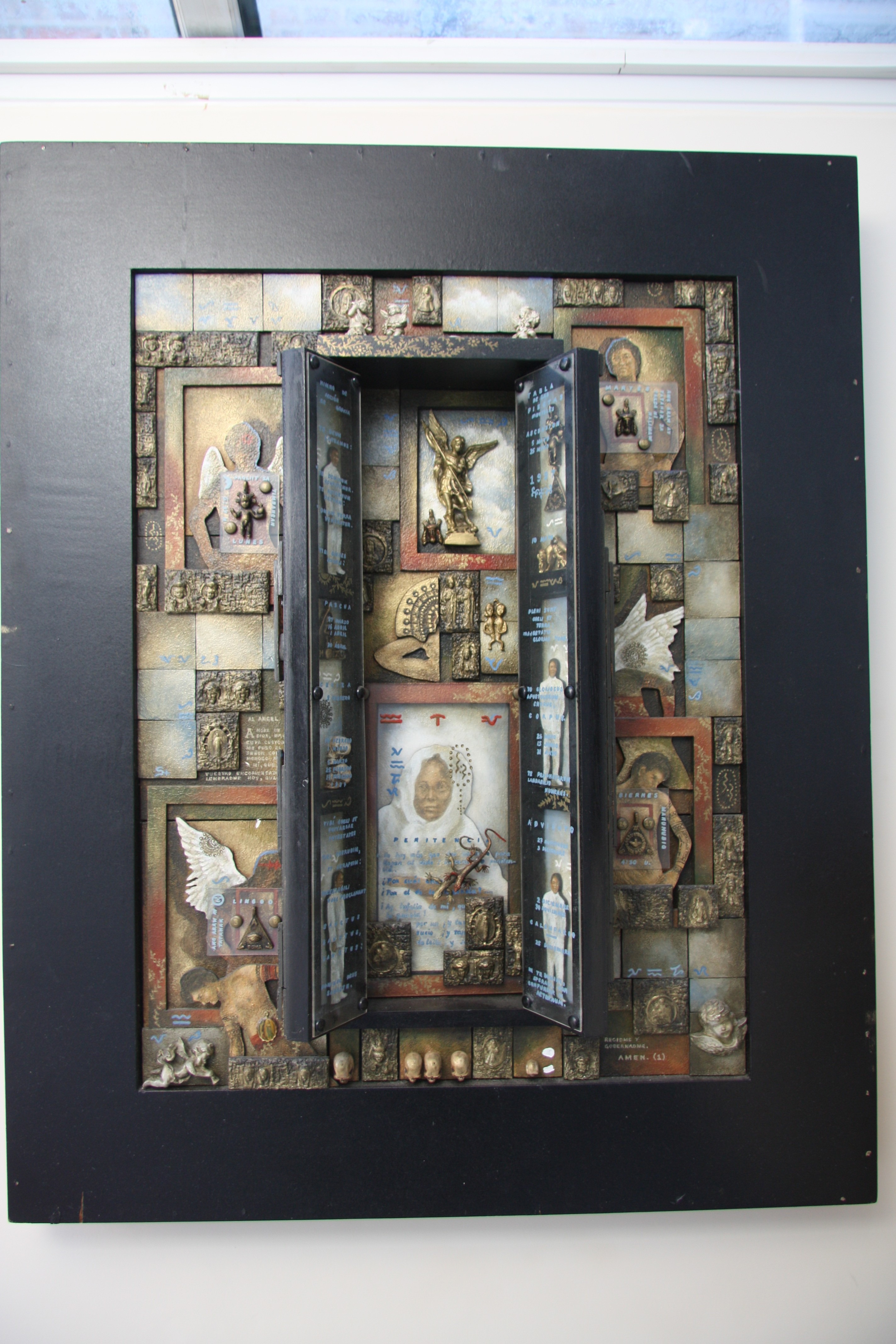
Unfortunately, it got a bit shaken up in transit, so I’m going to have to do a bit of restoration work (these photos were taken in Len’s last house), but it shouldn’t be too much of a problem. I’m looking forward to it hanging on the wall, and it will be a constant reminder of Len.
Addendum 24 May 2020: I found an archive article written about Noel and his work. Pleased to see that Someday, I’ll Go Back To Heaven was mentioned in it.
I made a connection today. Between the artist called Hannes Bok, who produced some rather unsettling art, and the man called Hannes Bok who possibly died of starvation.
I blogged a couple of weeks ago about the theatrical magic of Frankenstein. I regret that I haven’t made the effort to see earlier broadcasts of NT Live. And one production that I hope will be broadcast for NT Live would be War Horse.
I, and you, can at least get a glimpse of the magic that the Handspring Puppet Company wove for that production from this TED talk…
Pure magic – and 17th Century technology.
Vi Hart describes herself as a recreational mathematician. She’s also a pretty good storyteller, as evinced by this little tale set on a topologically challenging world.
Yesterday I left Martin in charge of the dogs while I travelled to Rotterdam for a day out with a couple of old colleagues. I arrived at midday, and the original plan was to stroll from Central Station down to the Veerhaven, catch a water taxi there and cross the Maas river to the Hotel New York for lunch.
Alas, we had hardly started walking when the heavens opened, and what can only be described as a tropical downpour commenced. As a result, we abandoned that plan, and took shelter in the museum Boijmans van Beuningen instead. We had intended visiting it after lunch anyway, so we thought that we would switch to having lunch in the museum. It has a roomy restaurant overlooking a park, thus plan B was looking good.
We should have been alerted to the fact that yesterday was Friday the thirteenth by the downpour…
We bought our museum tickets, and announced to the cashier that we would go straight to the restaurant first for lunch before strolling around the exhibits. “Ah”, she said, “sorry, but the restaurant is closed for renovation; only the coffee bar is open”. She pointed to the coffee bar next to the museum entrance and our hearts sank. The coffee bar was small, crowded, and with very little in the way of choice of food. Still, we decided to have coffee while we ruminated on the date.
We enjoyed the Notion Motion installation by Olafur Eliasson. A very effective visual experience using very simple means. I was personally less impressed by the work of Thomas Demand, although I can appreciate the work that went into constructing it.
One thing that we all wanted to see was the exhibition of the work of Han van Meegeren, who became (in)famous in the 1940s as the man who faked Vermeers. It’s definitely an exhibition worth seeing. It captures the scandal that rocked the art world very well. The museum itself was at the centre of the storm, since, in 1937, the ambitious director of the museum, Dirk Hannema, wanted to purchase The Supper at Emmaus by Vermeer which had just been discovered. Of course, this was actually a forgery by van Meegeren. Hannema managed to raise 520,000 guilders – a huge amount for the time – and purchased the painting. Ironically, one of the first things that the museum did was to have the painting restored. Ironic, since it wasn’t a 17th Century painting, but something that had been painted the year before on a 17th Century canvas.
The thing that struck me, looking at these paintings, was how bad they are. I know I’m no expert, but I would never have said that these were genuine Vermeers in a million years. And yet, the art historians at the time, notably one Dr. Abraham Bredius, fell over themselves in praise. There’s a book in the exhibition, a compendium of great works of art with texts by prominent art critics. It is open at the page depicting The Supper at Emmaus, and the text is by Bredius. It is no exaggeration to say that Bredius is fulsome in his praise, embarrassingly so. It is hard to read it today without bursting into laughter mixed with pity at poor Bredius’ total misjudgement.
Was this a case of the Emperor’s New Clothes syndrome or mass hysteria? Clearly, someone must have planted the idea that these were genuine Vermeers at the start. Was he mistaken, or was he in on the game? Whoever it was, I don’t think it was Bredius, as he seems to have been a target of van Meegeren. But Bredius certainly fell for the forgeries; hook, line, and sinker.
The video of the story on the museum’s page is worth watching, and the English Wikipedia entry is definitely worth reading for the full sordid story of greed on all sides. Strangely, the Dutch Wikipedia entry is less revealing… Perhaps the Dutch are still embarrassed by the affair, or they don’t want to view van Meegeren as anything other than a hero, when in fact he was a criminal and a Nazi sympathiser.
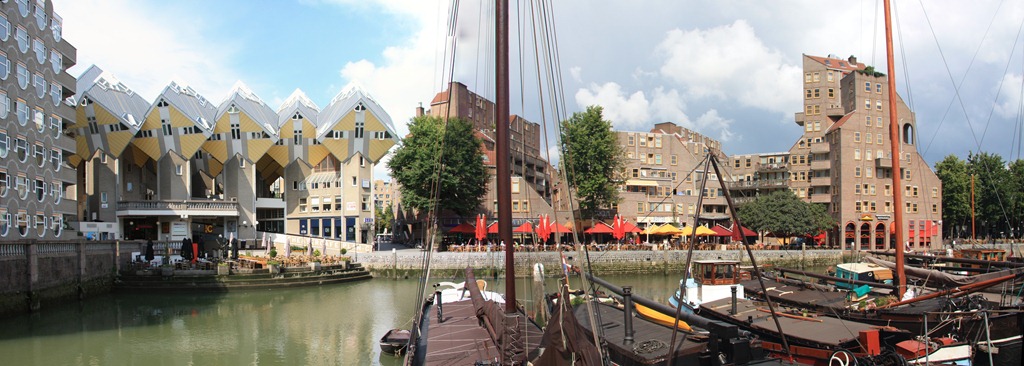
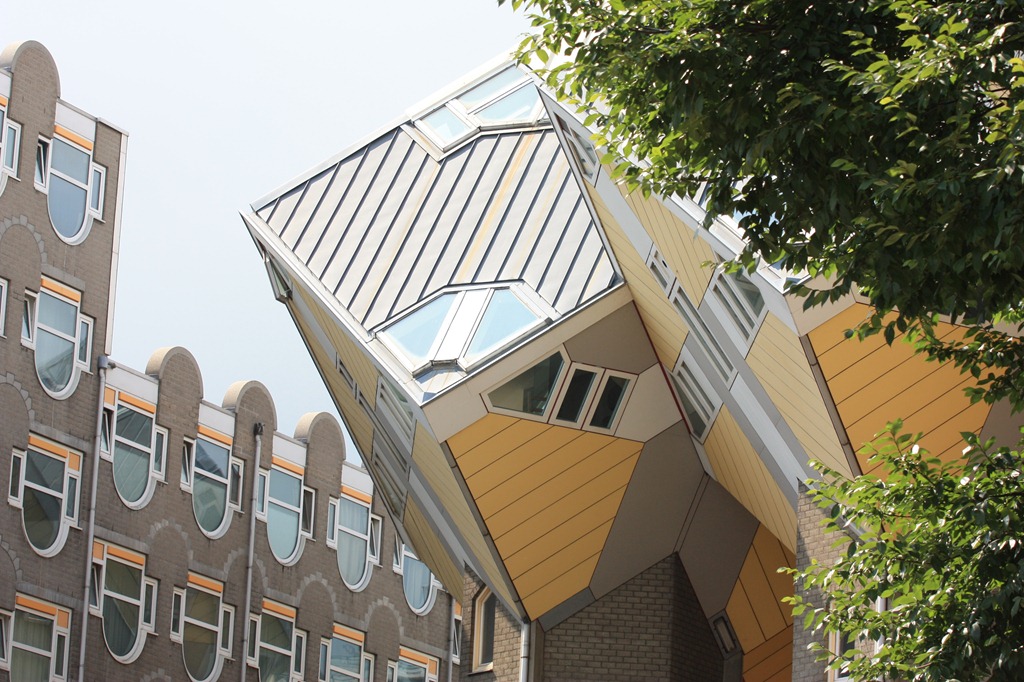
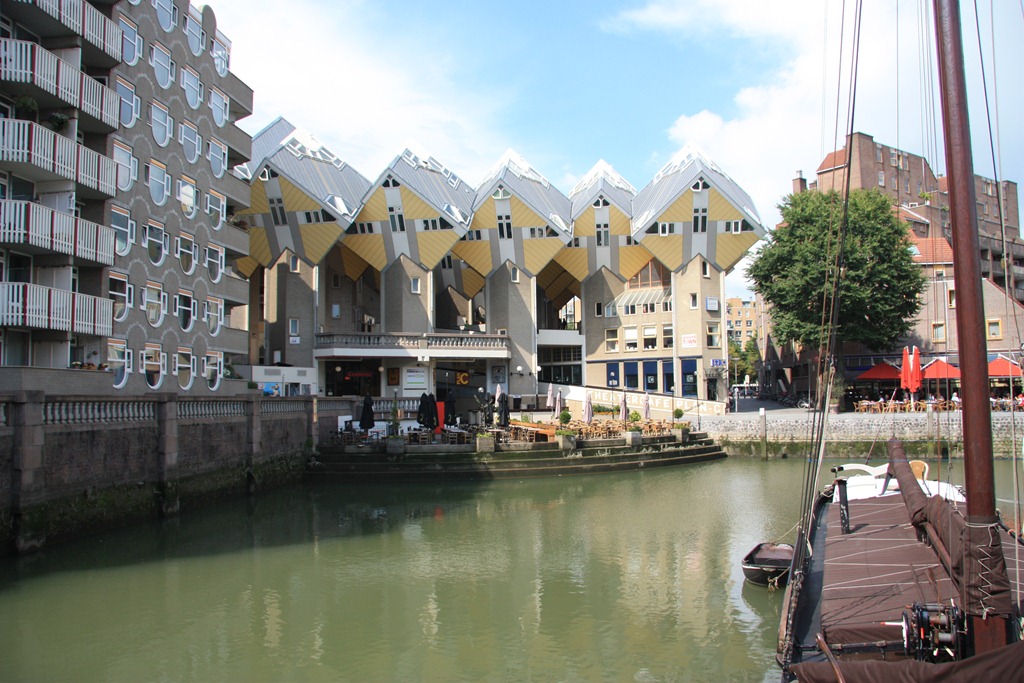
After the museum, we strolled down to the Oude Haven, passing the Erasmus Bridge, and there, in the shadow of the Kubuswoningen, finished off our jaunt with a few beers and bitterballen.

A web site that I often visit is Golden Age Comic Book Stories. The curator (Mr. Door Tree) often amazes me with visual treasures from comic book art and book illustrations. Today, I see that he has another serving of the seemingly inexhaustible, and brilliant, illustrations from N. C. Wyeth. However, there is also an entry showing the work of an artist called Blom. He is new to me. This is, as it turns out, Gerald Blom, and his images. made me want to find out more.
I found his web site, and almost immediately found an image of Peter Pan that is closer to the darkness of J. M. Barrie’s novel than Disney’s saccharine cuteness could ever be. I remember seeing the National Theatre’s production of Peter Pan in 1999 that, for the first time, brought home to me how dark the tale is. I sat shaking in my seat at the final moments. Barrie’s tale had a similar effect on Blom:
Here is a quote from the original Peter Pan: “The boys on the island vary, of course, in numbers, according as they get killed and so on; and when they seem to be growing up, which is against the rules, Peter thins them out; but at this time there were six of them, counting the twins as two.”
Thins them out? Huh? What does that mean? Does Peter kill them, like culling a herd? Does he send them away somewhere? If so, where? Or does Peter just put them in such peril that the crop is in need of constant replenishing?
That one paragraph forever changed my perception of Peter Pan from that of a high-spirited rascal to something far more sinister. “Thins them out,” the words kept repeating in my head. How many children had Peter stolen, how many had died, how many had been thinned out? Peter himself said, “To die will be an awfully big adventure.”
The Child Thief, indeed.
 Geoff Coupe's Blog