Reflections on life at “De Witte Wand”…

Category: History

  • Turing’s Papers Saved for the Nation

    For a while, it looked as though there was a real possibility that Alan Turing’s papers might disappear abroad, possibly to a private collector in Silicon Valley. However, news comes today that the UK’s National Heritage Memorial Fund has pledged £200,000 to make up the shortfall and meet the seller’s reserve price.

    So the papers should end up in the museum at Bletchley Park where they rightfully belong. Excellent.

  • Then and Now – II

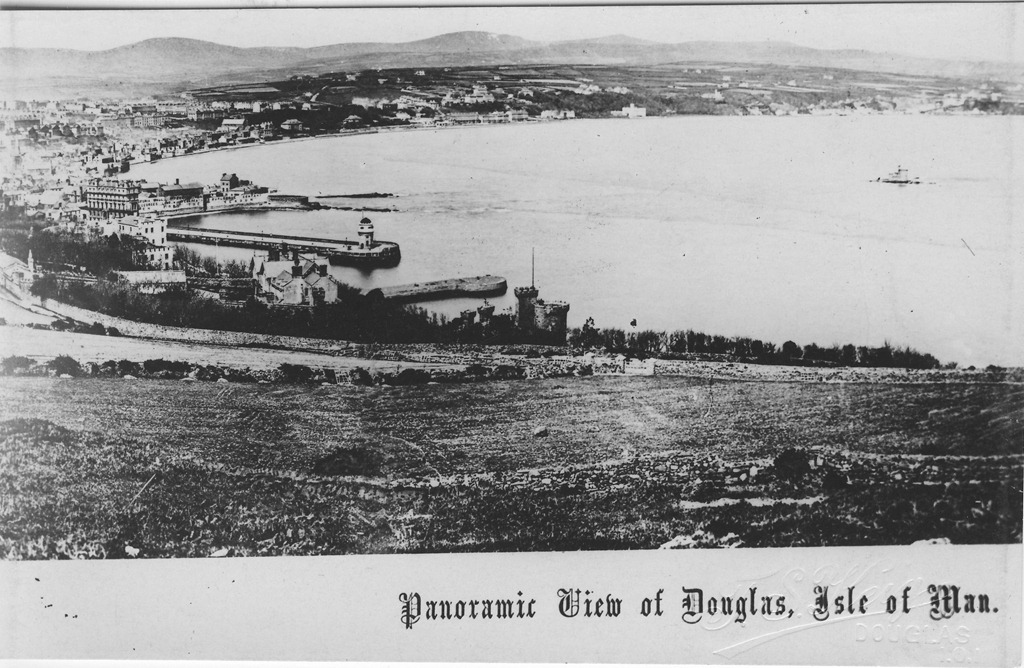
    Here’s another example of the changes that have occurred over time on the Isle of Man. This time it’s views of Douglas Bay. The first photo was taken in about 1860 (I think). It’s a bit difficult to see, but at that time the promenade on the seafront, with its frontage of boarding houses, did not exist.

    IOM0070

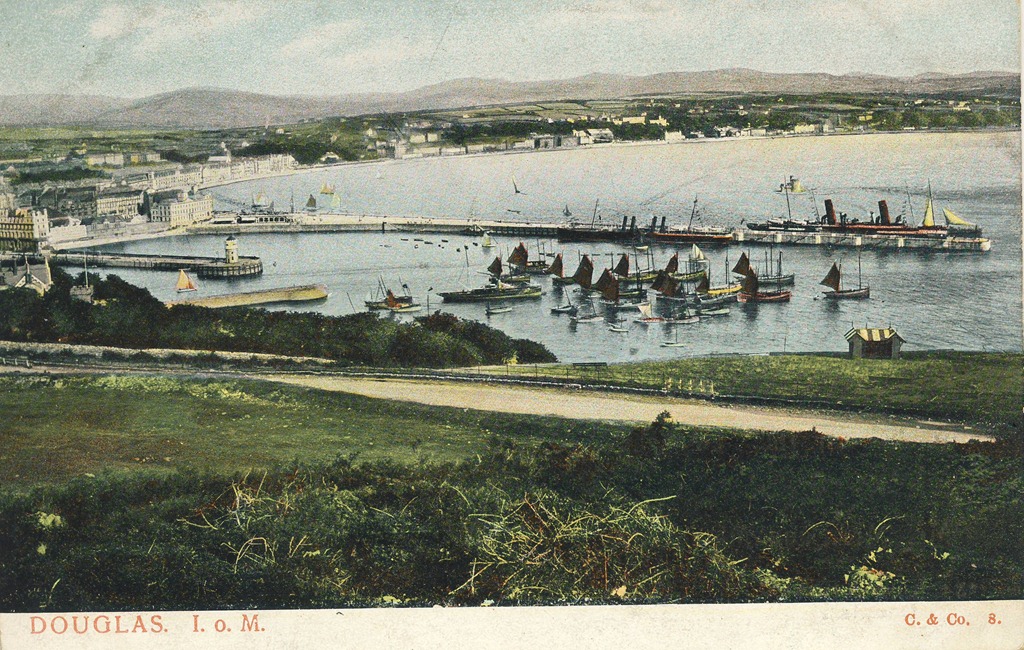
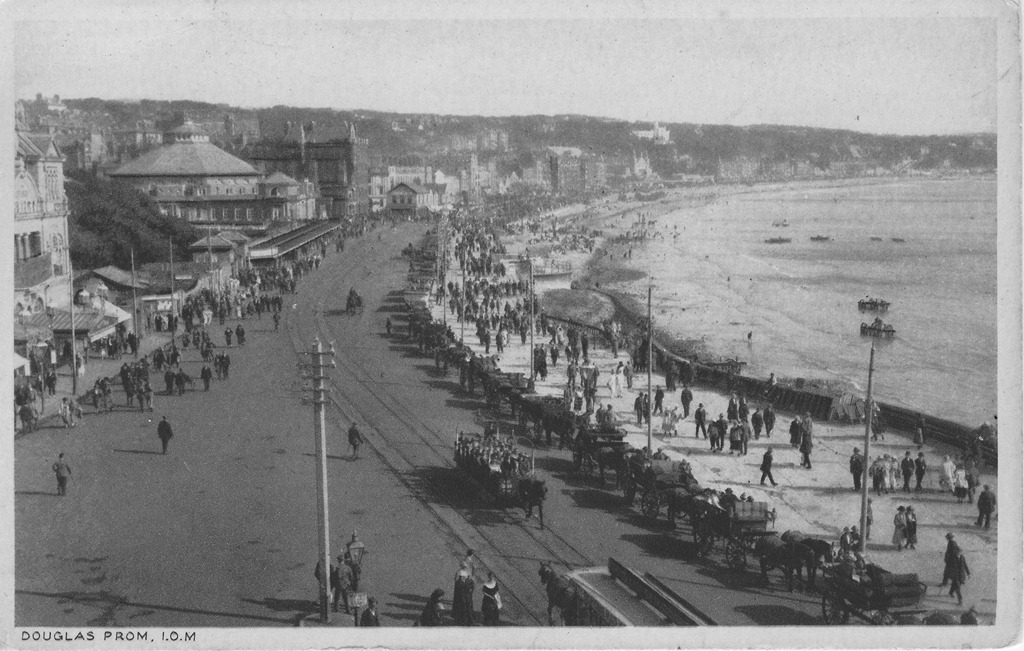
    This second (hand coloured) photo must have been taken after 1892, but before 1913, because by this time the promenade and boarding houses are visible (built in 1878), and the Victoria pier is in place (opened in 1892), while the Villa Marina (in the estate in the middle of the seafront, just to the right of the first row of boarding houses) looks to be the original private house. By 1913, the house had been demolished and the Villa Marina concert hall had been completed and opened to the public.

    IOM0115

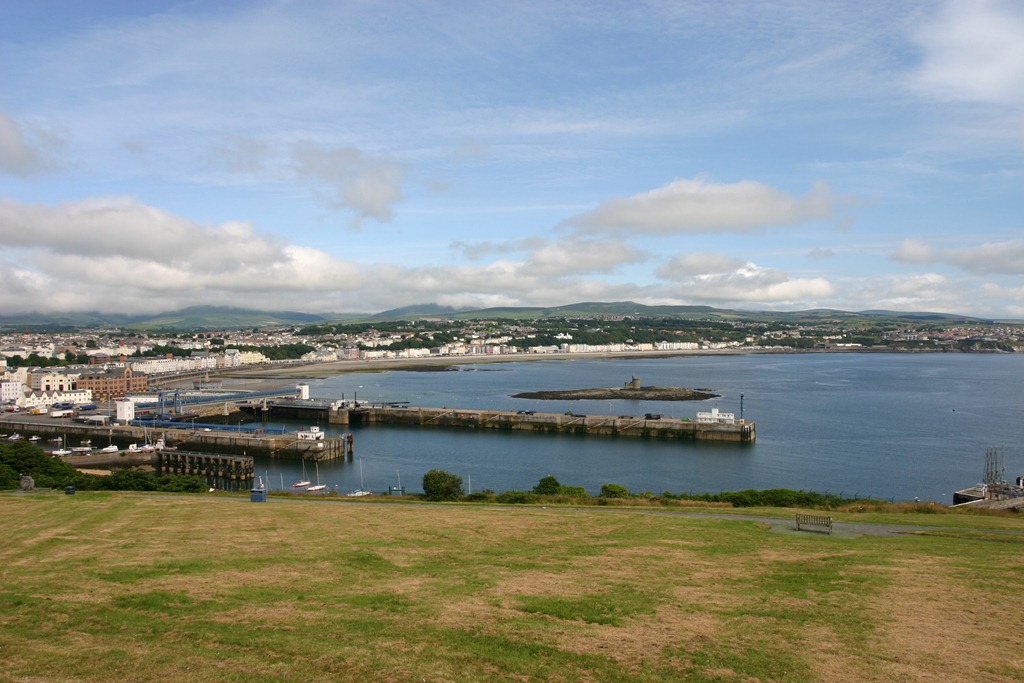
    And here’s a photo that I took from a similar standpoint on Douglas Head in 2005.

    050713-1209-02

    Moving a little way along Douglas Head, and back in time to the early 1900s, this coloured postcard shows the funicular railway that used to run from near the base of the cliff up to the top.

    Scan10110

    Nothing remains of the railway now, as it was dismantled in 1954. By the way, you can see from the number of passenger steamers docked at the Victoria Pier just how popular the Island was as a tourist destination at that time, as these postcards illustrate:

    Oilette0004

    Oilette0005

    IOM0072

  • Then and Now

    Since I was looking through old photos of the Isle of Man for my last post, I thought that I might try and see if any of the locations corresponded with photos that I’ve taken.

    So here are a few examples of places showing the passage of time…

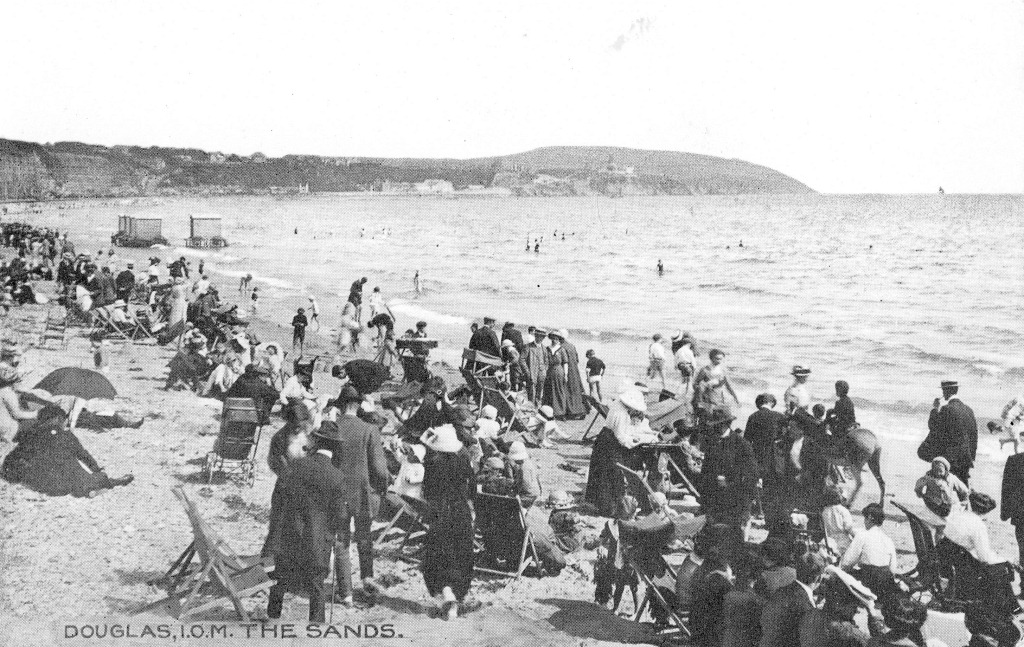
    For example, the Isle of Man was once a very popular holiday destination, but since the era of cheap air travel to guaranteed sunnier climes, the numbers of holidaymakers travelling to the island has plummeted. Here’s Douglas beach, then and now (2005):
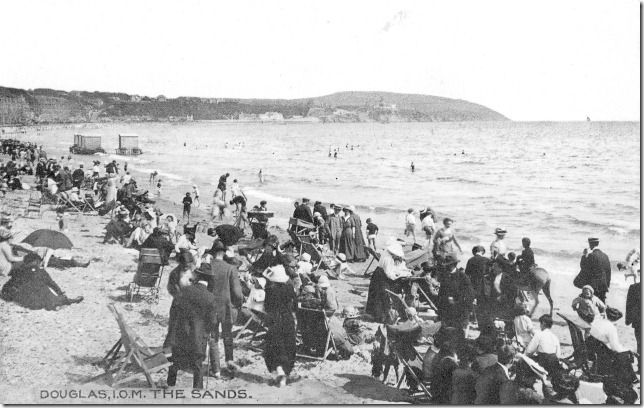
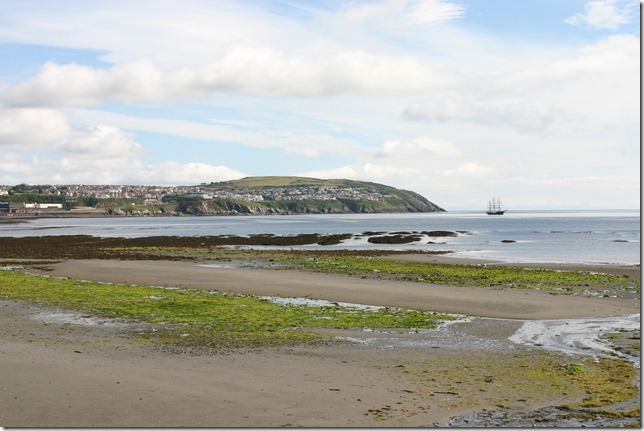
    IOM0165

    050713-1143-00

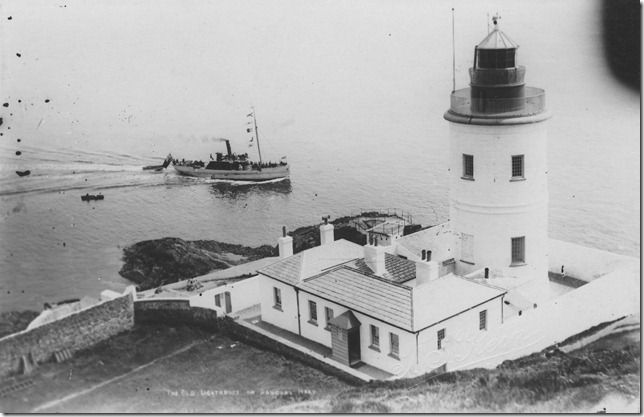
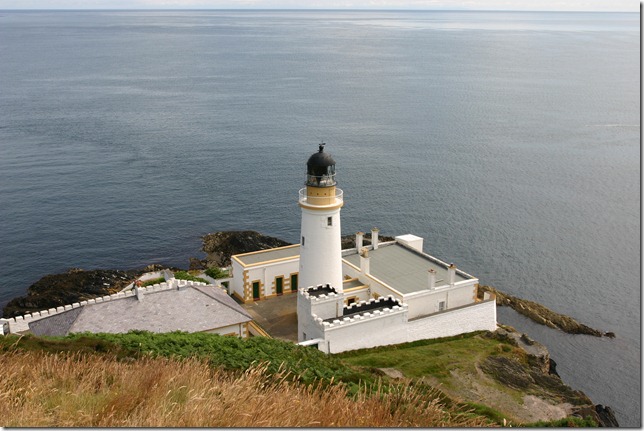
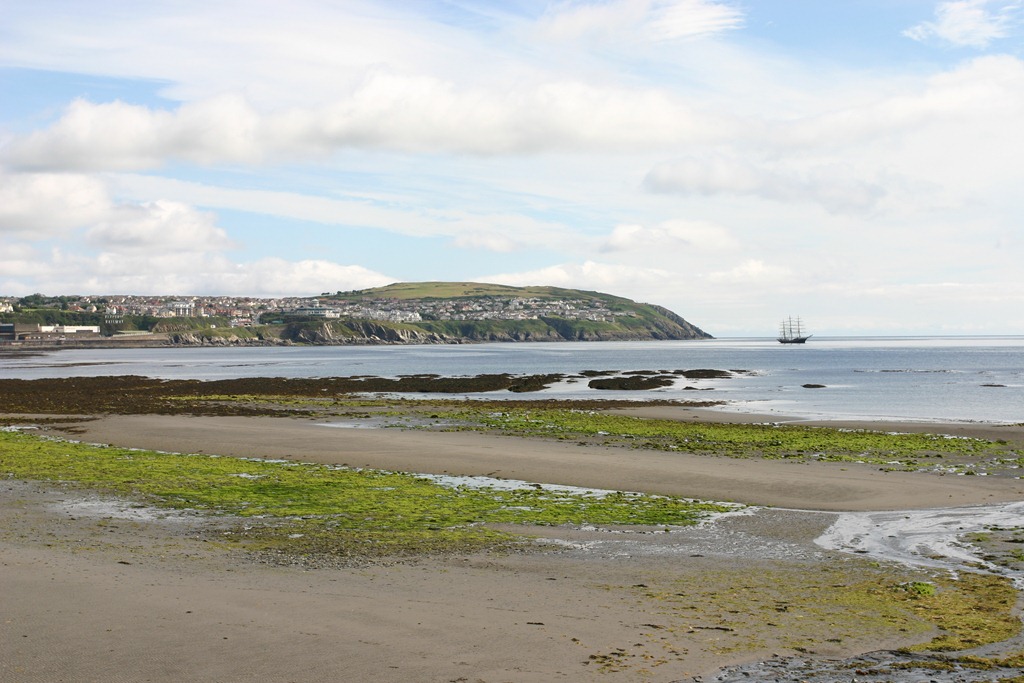
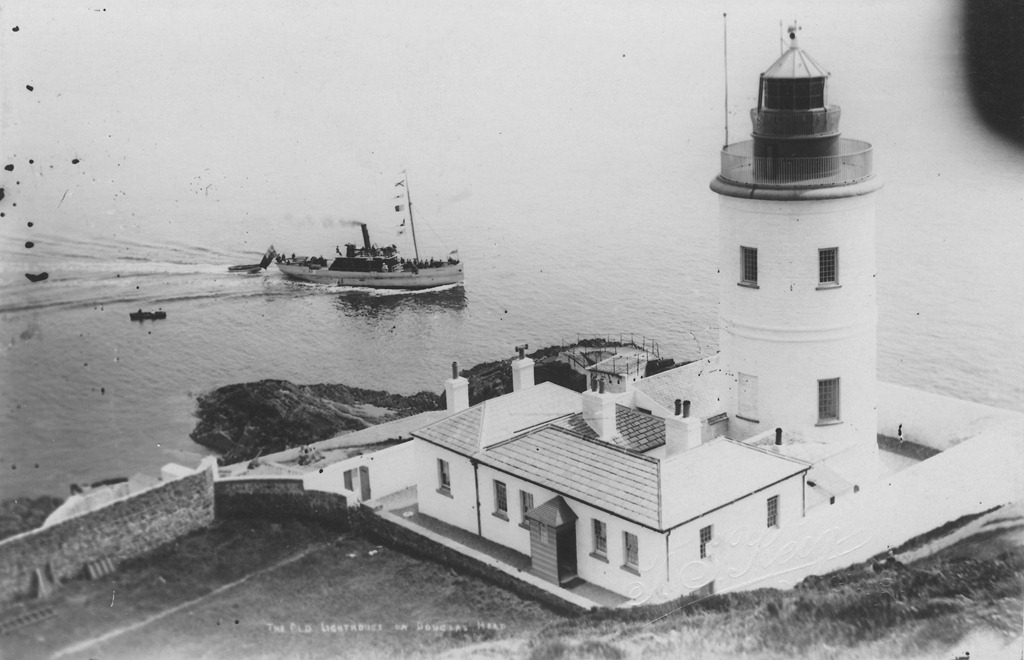
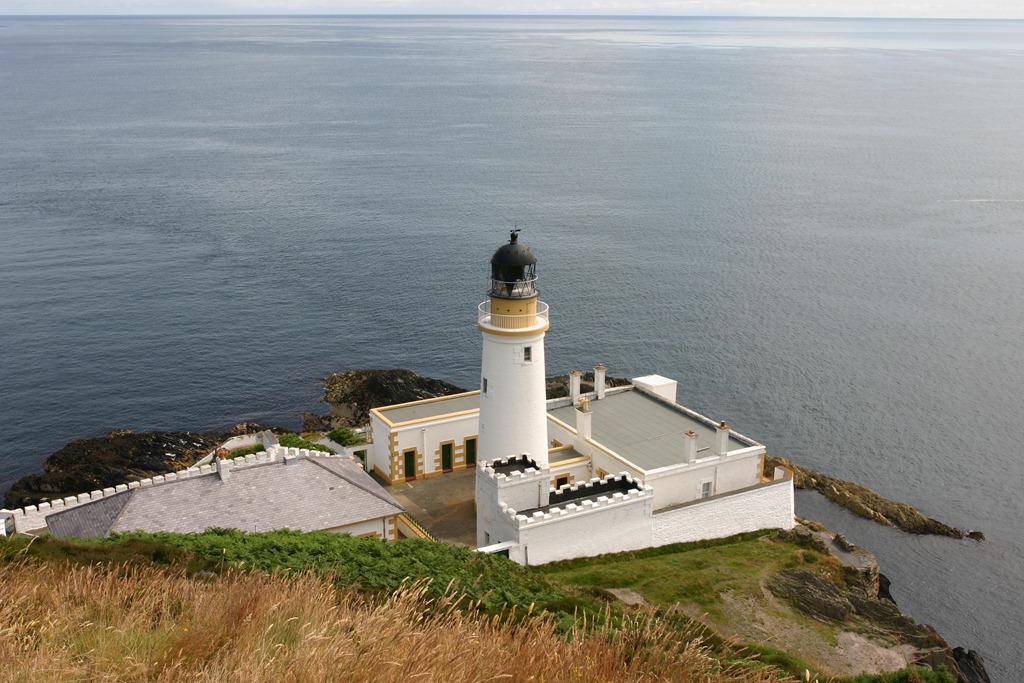
    The lighthouse on Douglas Head:

    IOM0073

    050713-1218-28

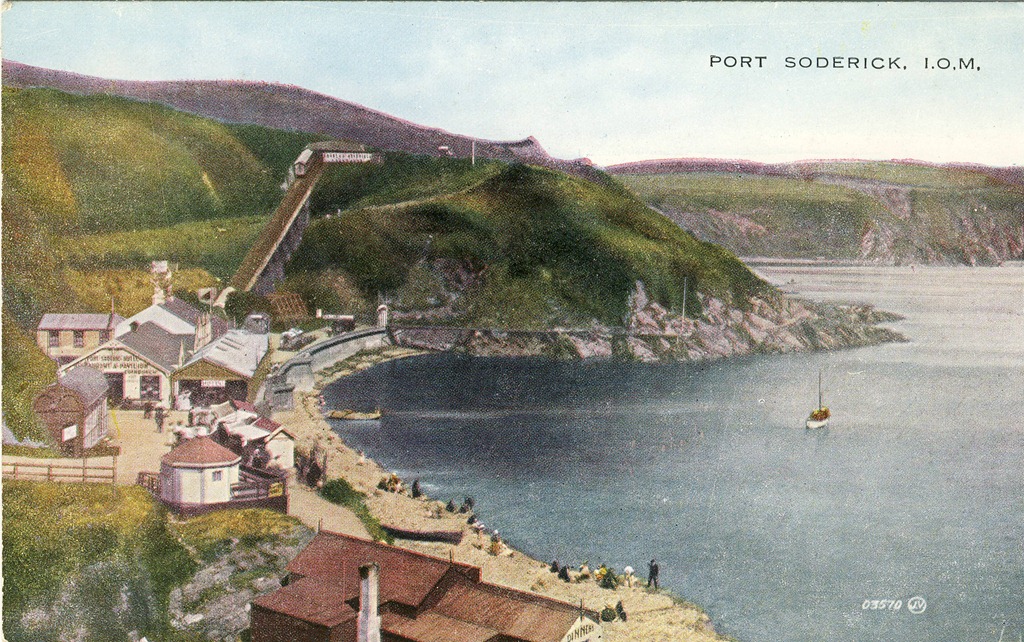
    That little boat steaming past the lighthouse in the picture above is almost certainly the ferry on its way to Port Soderick. Then, it was a little cove filled with cafes, shops, and other attractions. Now it is just a cove.
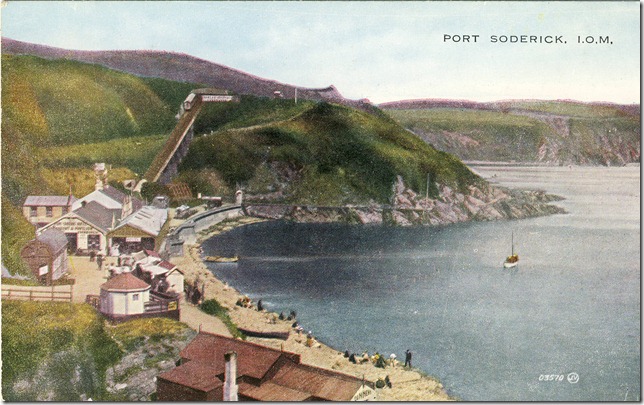
    Scan10111

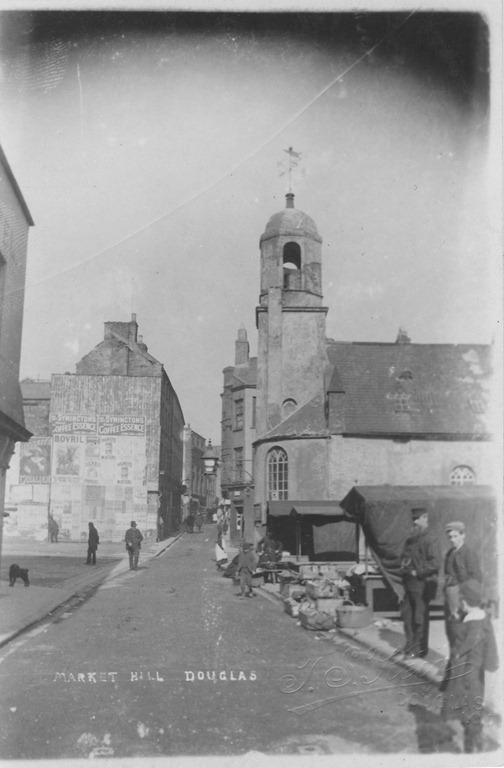
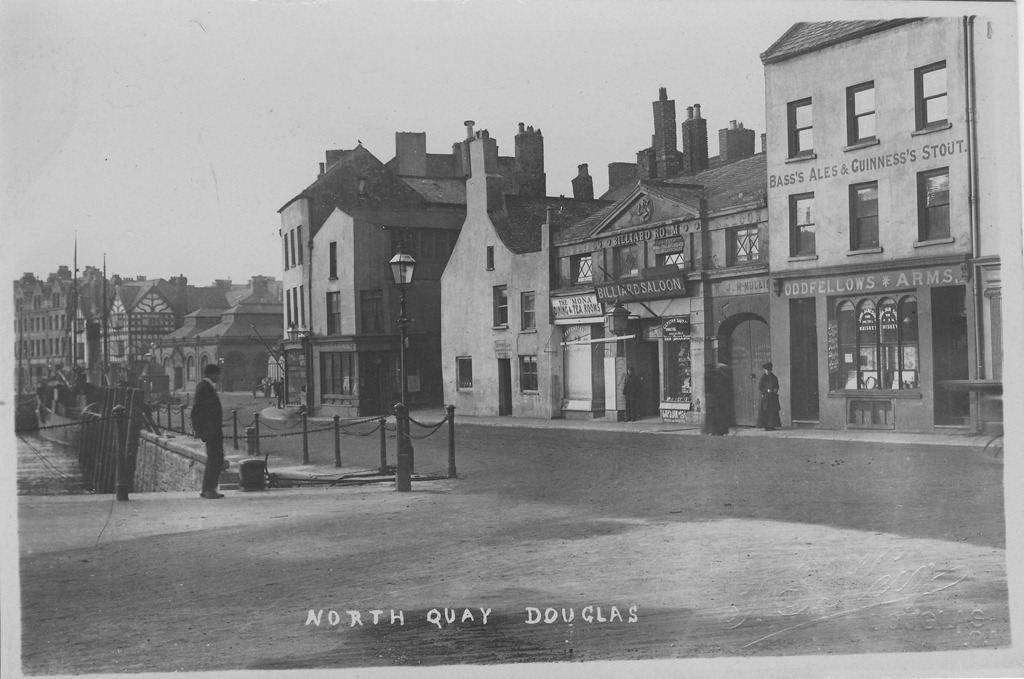
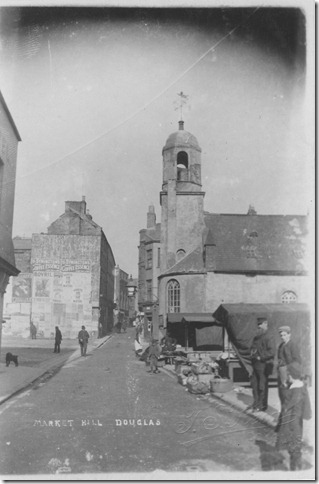
    Douglas harbour has seen great changes. I couldn’t find a series of photos taken from the same viewpoint, but here are some that illustrate something of what has gone on in the last 150 years. The first shows Market Hill, the street leading up from the quay. The old St. Matthew’s church is the focus of the picture, with the old open-air market just shown on the right.
    IOM0058

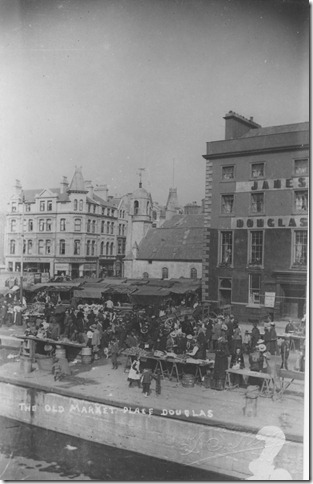
    Here’s a second view of the church and the open-air market:
    IOM0101

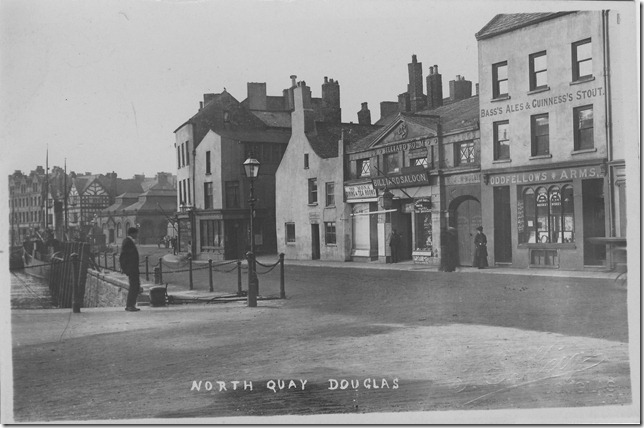
    Note the new commercial building behind the market and to the left of the church. The church itself was demolished in 1898 to make way for the building of a cast-iron market hall. A new church (the new St. Matthew’s) was built a short distance away on the quay itself. As well as the cast iron market hall, a brick-built market hall was also constructed at some point. Here’s a shot from 1912. On the left of the picture, you can seen the brick-built market hall (behind the standing man). All the buildings in the main part of the picture have been demolished.
    IOM0033

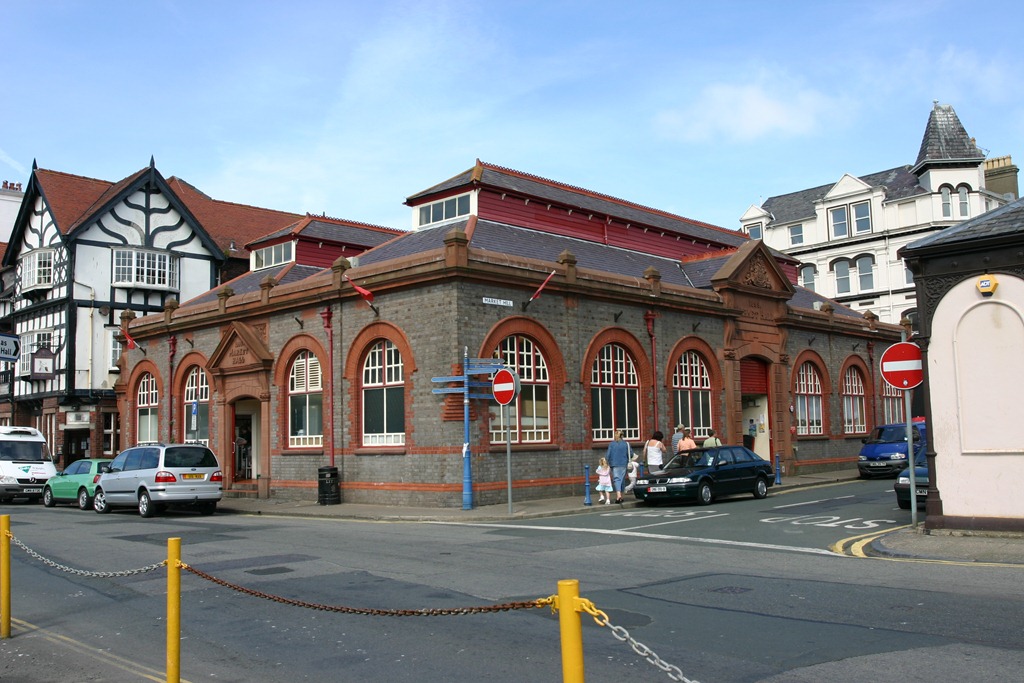
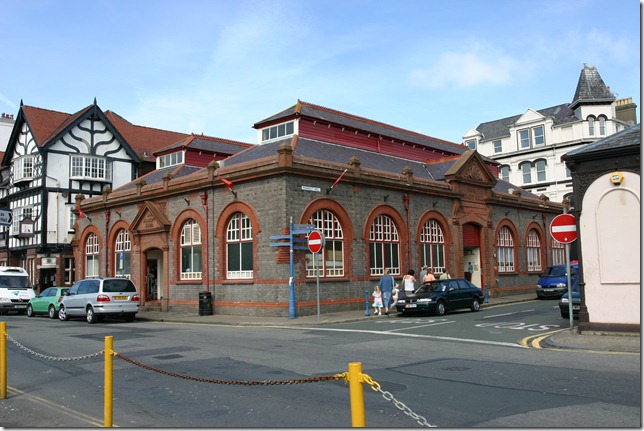
    And here is the brick-built market hall today, with the boarded-up cast-iron hall on the right. Note the commercial building behind, which is the same as the one (minus a chimney stack or two) from the earlier (second) photo in the series.
    050713-1255-11

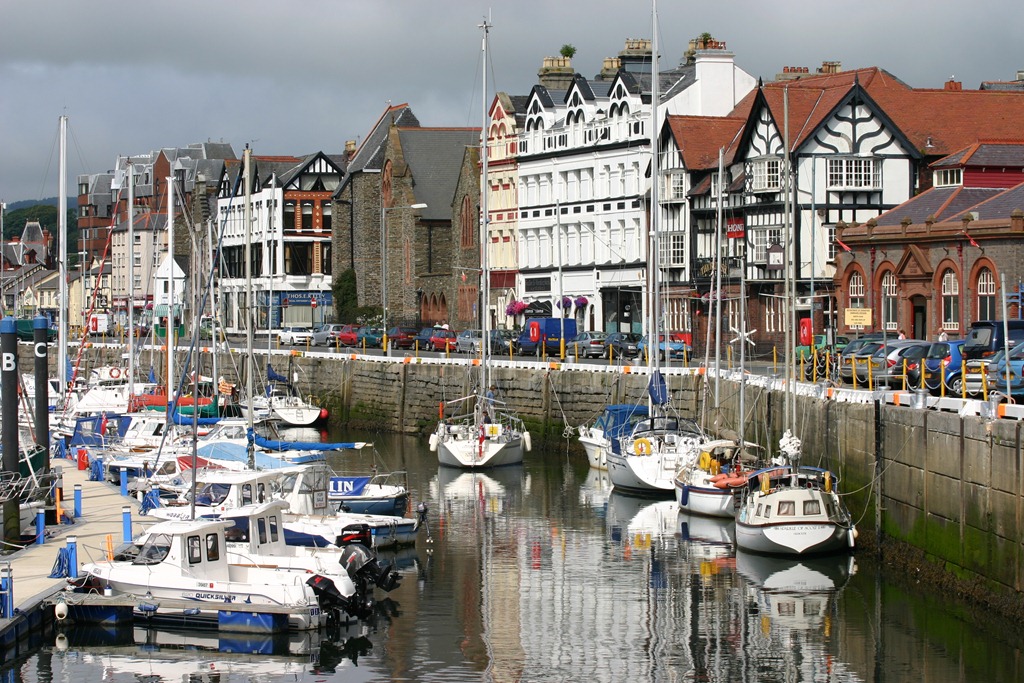
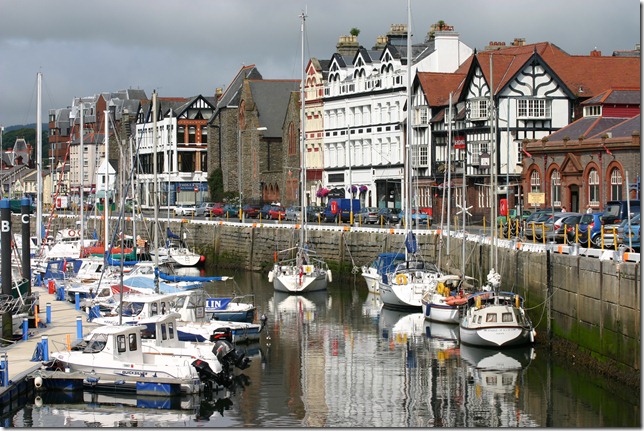
    And, pulling back, you can see the “new” St. Matthew’s church in shot. The harbour is filled with pleasure yachts. In my youth, it was filled with working fishing boats. All gone.
    050713-1154-14

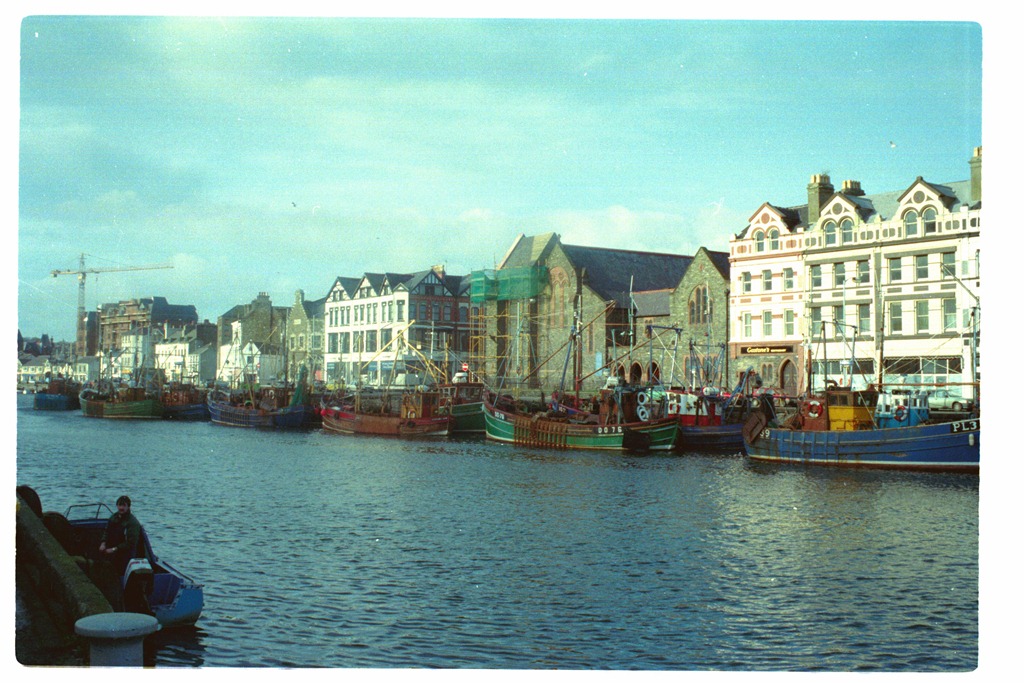
    However, even as late as 1988, there was still something of the fishing fleet remaining:

    img060201-11

  • The Wedding Party–A Mystery Solved

    I’ve got a pile of postcards and old photos that I inherited from my father. Many of the postcards he collected from places that he visited around the world, when he was a merchant seaman in the 1920s and 1930s. There are also lots of postcards of places in the Isle of Man, where he and I were born. As well as reproductions of 18th century engravings, there are photos; the earliest of which date from 1860. Here’s an example of one of these, showing Douglas Bay:

    IOM0070

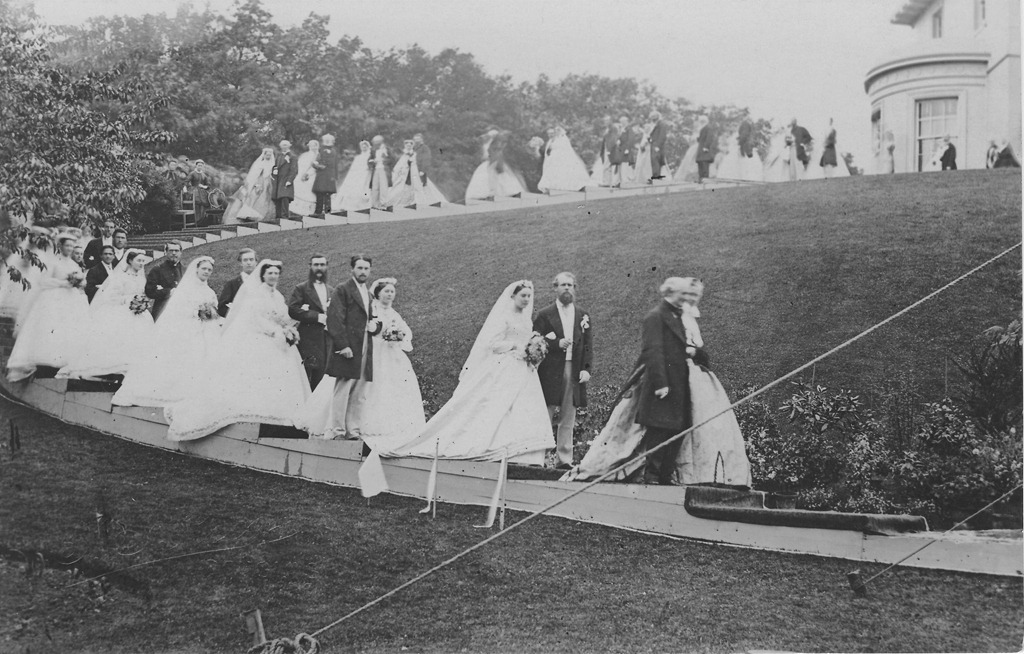
    But there is one photo that has always intrigued me. It shows a wedding party, in the grounds of what could be a rather grand house. Other than the fact that it certainly couldn’t be any of our family, I had no idea who these people were, or where the photo was taken. Until, that is, a couple of days ago…

    Here’s the photo:

    IOM0036

    My brother has finally solved the mystery – he came across the same photo in a book. It is the wedding of Louisa Jane Dumbell and Alfred Charles Elliot on the 23rd June 1866. Louisa was the daughter of a prominent Manx figure of the time, George William Dumbell. He founded his own bank in 1853, and it had a fairly chequered history until its collapse in 1900. However, in 1866, George was riding high, and he made sure his daughter’s wedding was a lavish affair:

    In 1866, on the occasion of the marriage of his daughter, Louisa,to Mr Elliott, of the Indian Civil Service, the most lavish expenditure was indulged in. The SUN columns described the bride’s dress as being of “white satin, trimmed with three rolls of satinround the skirt, bodice trimmed with Bruxelles point lace, with crystal buttons, Bruxelles lace veil, wreath of orange and myrtle,pearl ornaments, etc. She was attended by eight bridesmaids, and the wedding party completely filled the church at Braddan. A troop of workmen had been for weeks employed in erecting a. monster marquee in the grounds at Belmont, which were illuminated and decorated with fairy-like grandeur.” The wedding festivities terminated on the fourth day with a great ball in the Castle Mona Hotel.

    The photo shows the wedding party in the six-acre grounds of “Belmont”, the house that George Dumbell had built in 1835. And now, with the benefit of knowledge, I realise that I should have recognised the house in the photograph, because I played in the house and grounds as a child. One of my schoolboy friends was Michael Crowe, and his family lived in Belmont (which by this time had been split into two semi-detached , but still very grand, houses). We spent many happy hours playing in the very Rhododendron bush that you can see on the left of the photo. By the 1950s, it had grown to gigantic size, and it was our jungle and climbing frame all rolled into one.

  • Science or Dogma

    A few days ago, I mentioned Jacob Bronowski and his TV series The Ascent of Man. Here’s that scene of him speaking at Auschwitz, explaining the difference between science and dogma.

    (hat tip to Alun Salt for providing me with the link to this key scene)

  • My Father, The Bomb and Me

    When I was growing up. Jacob Bronowski was a presence on the telly. He was the scientist, the boffin, who could be relied upon to explain science to the rest of us. In 1973, he presented a ground-breaking series, The Ascent of Man, that gave him a platform to present his humanist view of the role that science has played in the development of our species.

    The bit that sticks in my mind, that probably sticks in everybody’s mind who saw the series, is the scene where he is ankle-deep in a muddy pool in Auschwitz, and he suddenly bends down to bring up a handful of mud before the camera, while talking to us in that faintly-accented voice of his. Except that this is not mud, this is ash. The ash of millions of human beings who were consumed by the ovens of the Nazis. I can never watch that scene without being overwhelmed.

    Last night, I saw that scene again. It was part of a documentary, My Father, The Bomb and Me, presented by the historian Lisa Jardine. She is his daughter, and she explored aspects of his life that she knew little of. For example, the fact that he worked in operations research during WWII, designing more effective bombs, and she wondered how she could reconcile that with the loving father that she remembered.

    Her documentary succeeded brilliantly, bringing to life a man who was both humane and who was deeply affected by remorse at some of the things that he had to do in his life. The depth of that remorse was expressed by the simple act of cleaning his glasses in public on a talk show. It sounds ridiculous, but watching his daughter watch the video of that sequence with her seeing the deeper meaning in what he was doing as he carefully sought for the just words to answer the interviewer’s question made everything come clear, and the thought arise, in my mind at least, that here was a good man doing the best he could, as he always had done.

  • The Antikythera Mechanism – in Lego

    I have mentioned the astounding Antikythera mechanism before, but here’s something really brilliant: it’s been reconstructed using Lego. What I like about the video is that it demonstrates how the various component parts work together and end up as a machine for predicting solar eclipses. Quite wonderful.

  • Price and Value

    I read in today’s Guardian that there was an auction today of Alan Turing’s papers. While I was pleased to see that Google had donated $100,000 to the bid of Bletchley Park to keep the papers for the nation, I couldn’t help but feel disheartened by the thought that Turing’s papers could potentially disappear into a private collection, to be gazed upon by a single, wealthy individual, quite possibly hailing from Silicon Valley.

    Turing was an important individual in the history of not only computing, but in the fact that Nazi Germany was eventually defeated by the Allies. And Britain repaid that debt by persecuting him because he was gay, with the result that Turing committed suicide by eating an apple laced with cyanide.

    I can’t help feeling that Turing’s papers should have been acquired for the nation and humanity at large. Once again, we seem to understand only the price of everything and the value of nothing.

    Perhaps all is not lost; if the new owner will arrange for the papers to be made available online, then something may come out of this. Perhaps the Complete Works of Charles Darwin Online can serve as a model here.

  • “The Story of Us, Then”

    BBC Two is currently running a series of programmes on History. Last night kicked off with the first episode of a series called Ancient Worlds, fronted by historian and archaeologist Richard Miles. I thought it was very good. Here’s a Guardian article about Miles and the programme.

    I was struck by Miles’ statement in the programme that this was not a story of long-dead civilisations, but that this was “the story of us, then” – his point being that despite living 6,000 years ago, the people were recognisably just like us. He illustrated this by reading a letter (incised on a clay tablet) from a merchant’s wife to her husband, who was working away from home in a city. She was bemoaning the fact that he never sent her enough money to cover her expenses in running the house, and their neighbour had just had a new house built for his wife; why wouldn’t he do that for her?

    As I’ve mentioned before, our operating system is still at Homo sapiens version 1.0, despite our strides in technology, so Miles has a point, I believe.

    In watching the programme and listening to Miles, I was also reminded of the atmosphere of Samuel R. Delany’s Return to Nevèrÿon series of books. Tales that seem to be set in an ancient civilisation (or possibly in the far future, where much of technology has been once again lost), yet which deal with human themes immediately recognisable to us today. I must reread them again.

  • RIP, Tony Judt

    Tony Judt has died. I have read very little of his work, but what little I have, makes me think that I should seek out more. Sample:

    “History can show you that it was one pile of bad stuff after another,” he once declared. “It can also show you that there’s been tremendous progress in knowledge, behaviour, laws, civilisation. It cannot show you that there was a meaning behind it.
    “And if you can’t find a meaning behind history, what would be the meaning of any single life? I was born accidentally. I lived accidentally in London. We nearly migrated to New Zealand. So much of my life has been a product of chance, I can’t see a meaning in it at all.”

    So it goes. And that can, accidentally, add up to a great deal.

    P.S. here’s a video of Judt talking about the appalling disease that killed him