Reflections on life at “De Witte Wand”…

Category: Nature

  • On the Wrong Side of the Track – Both Sides!

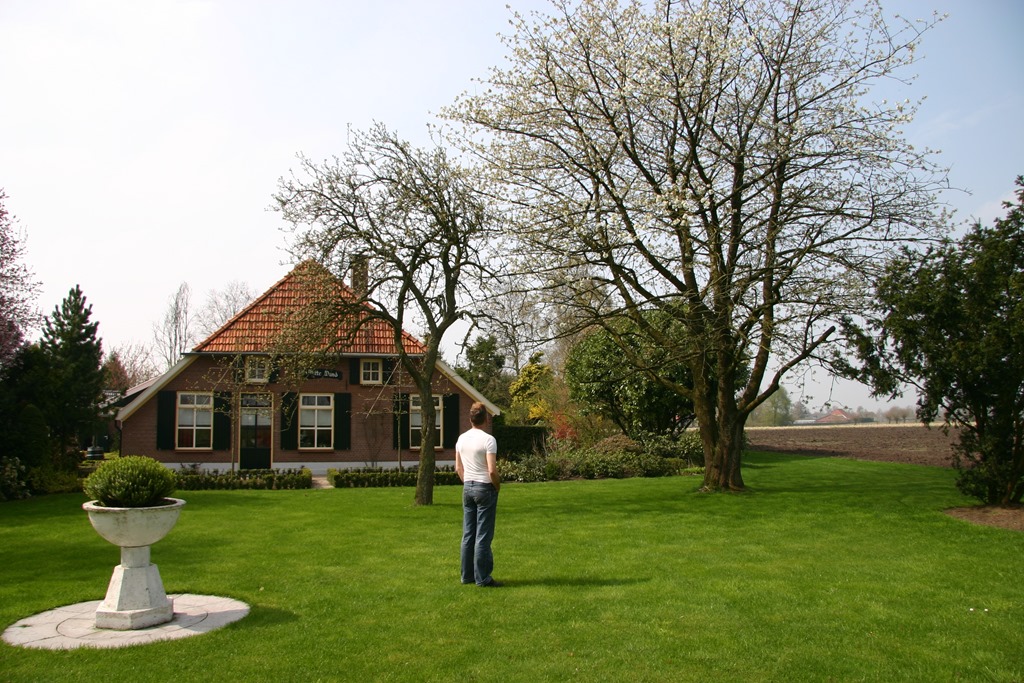
    We live in the so-called Achterhoek region of the Netherlands – the name literally means “back corner”. It’s predominantly farmland and countryside, and tourism is, after farming, the major industry. Many Dutch people living in the densely populated Randstad come here on holiday seeking a bit of peace and quiet, and some, like us, retire here.

    As the years go by, the pressure increases on what remains of the countryside. The latest turn of the screw is the Noordtak Betuweroute. This is a proposal to lay a new railway line (the Noordtak – literally, the “North branch”) through the Achterhoek, connecting the current goods train line (the Betuweroute) at Zevenaar in the west through to the Dutch/German border in the east. At present, the Betuweroute currently goes south of Zevenaar to cross the border and connects with Emmerich and thence to Duisburg. This is the Zuidtak (the “South branch”).

    The Noordtak proposal was originally the brainchild of the Port of Rotterdam Authority, who were looking to increase the flow of goods from ships unloading in Rotterdam through to German industries in the Ruhr. There was a study into the Noordtak carried out in 2012 by the engineering firm Movares on behalf of the Dutch Ministry of Infrastructure and Environment. It looked at three alternative routes through the Achterhoek. When word got out about the two favoured alternatives, it galvanised protests from communities through which the routes passed.

    As a result, two of the three alternatives have effectively been killed, leaving just one. The Port of Rotterdam Authority then joined forces with the two provincial governments in the Achterhoek and commissioned a “Quick Study” of this third alternative route. The outcome, surprise, surprise, was what the PRA wanted. According to a press release issued jointly by the PRA and the Provinces, the proposed route would be “faster, safer, and less nuisance” than the rejected routes.

    But, guess what, it would pass quite close to us (it’s the route in purple in this map):
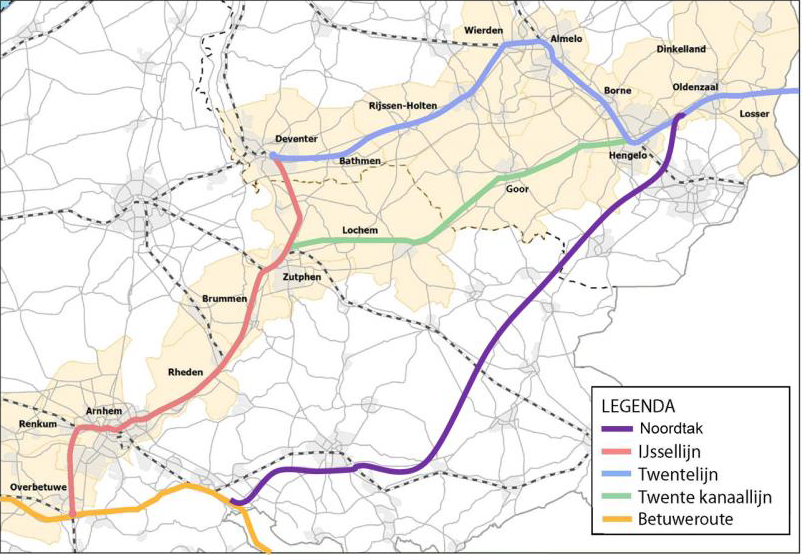
    Trace Noordtak 02

    We live near to the village of Heelweg, and it will be a lot worse for them. Heelweg actually consists of two hamlets, Heelweg-Oost and Heelweg-West (Heelweg-East and Heelweg-West). The Noordtak line would go straight through between them, a metaphorical stake through the heart of the community. As you might imagine, the inhabitants are not best pleased with the proposal, and we are joining forces with other action groups, such as the Gelderland’s Nature and Environment Federation, that are now springing up along the proposed route.

    Now you might think that this is simply a NIMBY reaction, and to some extent you would be right; whichever route such a railway takes, it is bound to affect someone. However, we feel that some of the bigger questions need satisfactory answers. What will the overall effect on the economy of the Achterhoek be? Even the press release mentioned above is cautious about this, admitting that:

    “The effect on the regional economy is difficult to estimate. Perhaps the maximum number of trains on the track (36 per 24 hours) is too small to make investment in a new goods train terminal cost-effective”.

    The press release also quotes a member of the regional government as saying:

    “There may well be indirect effects, such as an increase in industrial activity alongside, and in the area of the railway. This is, at this moment, not quantifiable in monetary terms.”

    Frankly, I find this ridiculous. Since the goods trains won’t be stopping anywhere in the Achterhoek, why should that be attractive for firms to build facilities alongside the railway? And if they do build, they simply cause more damage to the tourist economy by destroying the very asset that makes people want to come here and spend their tourist euros.

    A further question that needs to be answered is whether the Germans are wanting this new line. They have dragged their heels over connecting up with the Zuidtak, and all the signs are that they have little or no enthusiasm for connecting up with the Noordtak.

    The Dutch Minister for the Environment is due to give her decision on whether she supports the Noordtak proposal in the next few days. Even if she does support it, there will have to be a further, more detailed study done on the environmental impact of such a line. I would hope that an equally long hard look would also be taken at the economic justification for such a line. Many people are far from convinced that the figures would add up.

    We live in interesting times.

    Addendum 18 June 2014: The Minister has spoken, and she’s not convinced that the case for the Noordtak has been sufficiently proven, or that the figures in the “Quick Study” add up. She (or her successor) will take another look in 2020 to see if anything has changed that would require starting up a detailed study… So we can chalk that one up to a Minister showing commonsense. Nice to see.

    Addendum 25 January 2022: Well, here we are again. The Rotterdam and Amsterdam Harbour Authorities have been doing some hard lobbying over the past year, and the Noordtak is back on the agenda. There was a vote last November in the Second Chamber of the Dutch parliament on looking again at the route. 148 members voted for the motion, and one against. The sole vote against belonged to the only member of parliament who actually lives in the Achterhoek.

    The politicians in the local and provincial authorities have finally woken up and are now fighting back. They are demanding proper involvement in the ongoing research over the possible route, but perhaps more importantly are demanding research into whether there is a good business case for the Noordtak in the first place. The Germans are still lukewarm about connecting with the existing goods train line (the Betuwelijn), and it’s highly unlikely that they would want to connect with the Noordtak. They are looking to improve rail routes to their own harbours of Hamburg and Bremen.
  • More Visitors

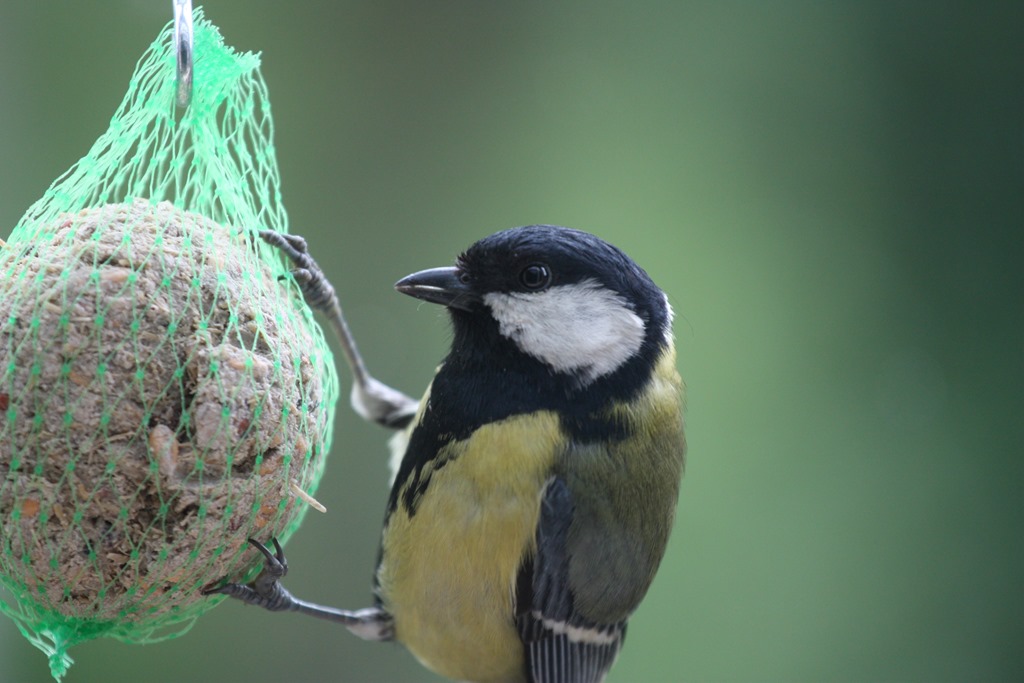
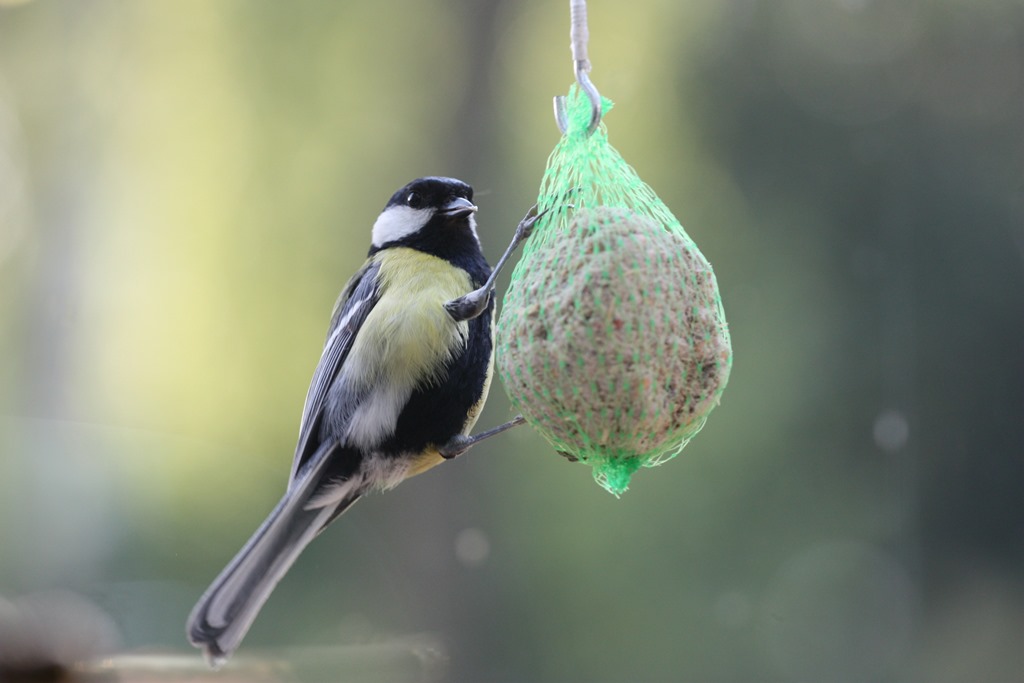
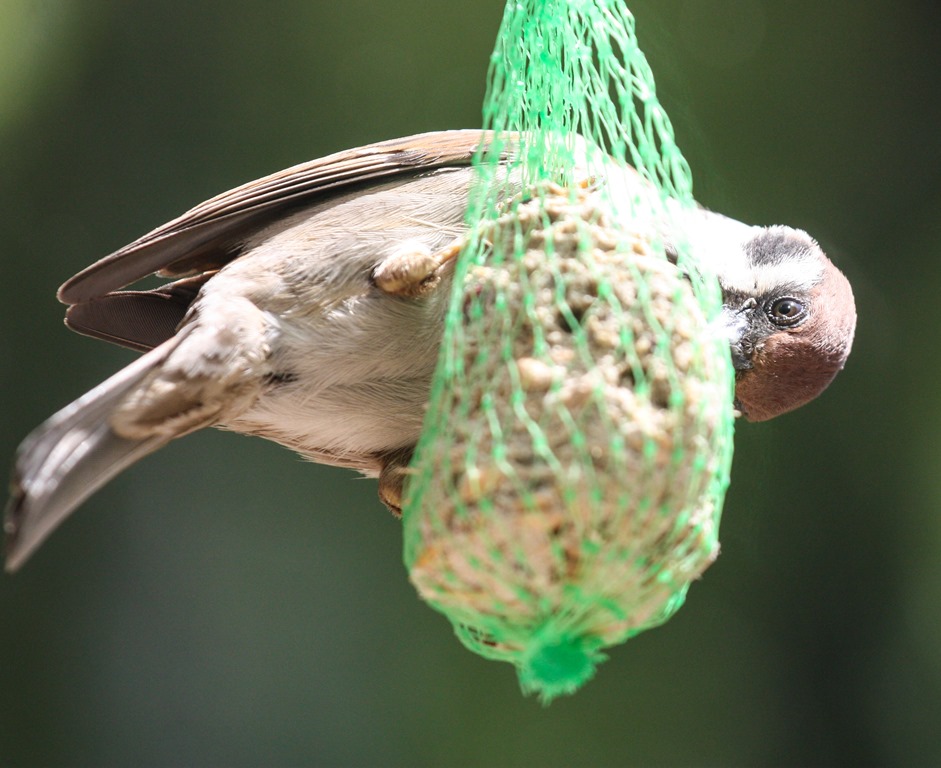
    Following on from the shots of a Coal Tit taken the other day, here’s a couple of a Tree Sparrow…

    20140610-1146-53(001) 

    20140610-1146-47(001)

  • Bird Feeder

    Seated, as I frequently am, in front of the computer; I also have a view through the window to the garden, and to the bird feeders strategically positioned in direct view. That’s so I can catch views of the locals…

    20140529-1138-45

    20140531-0708-34

  • Feed the Birds…

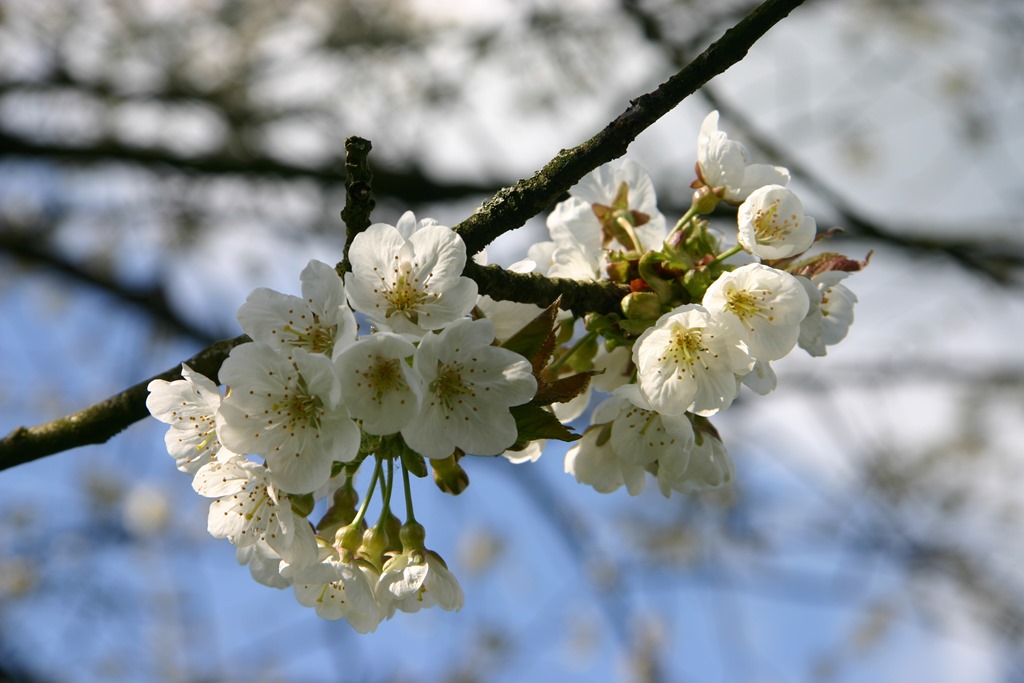
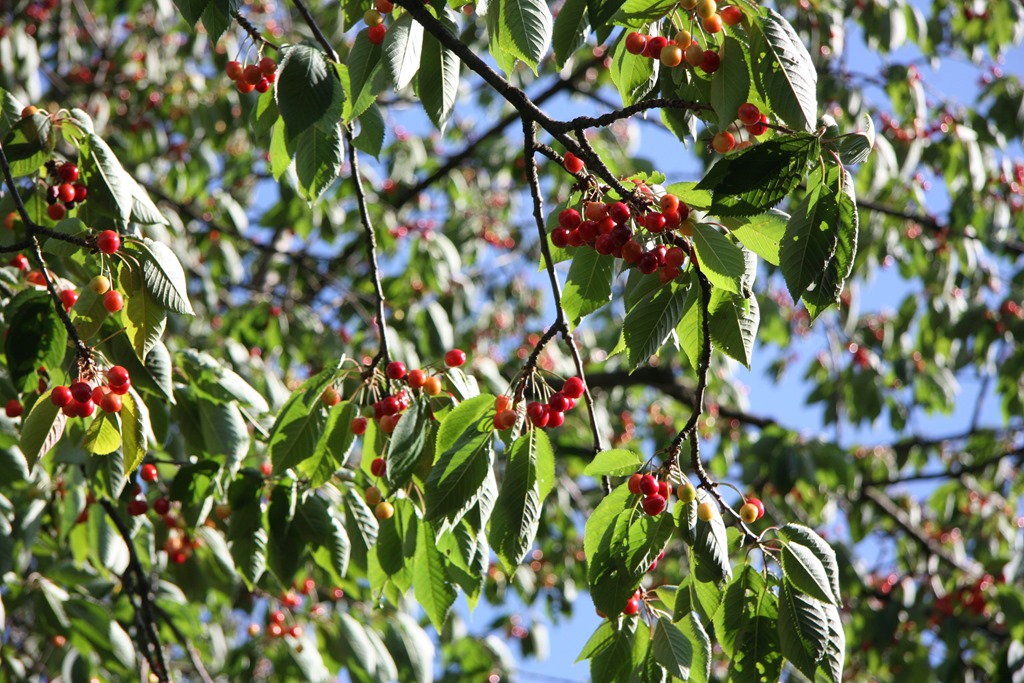
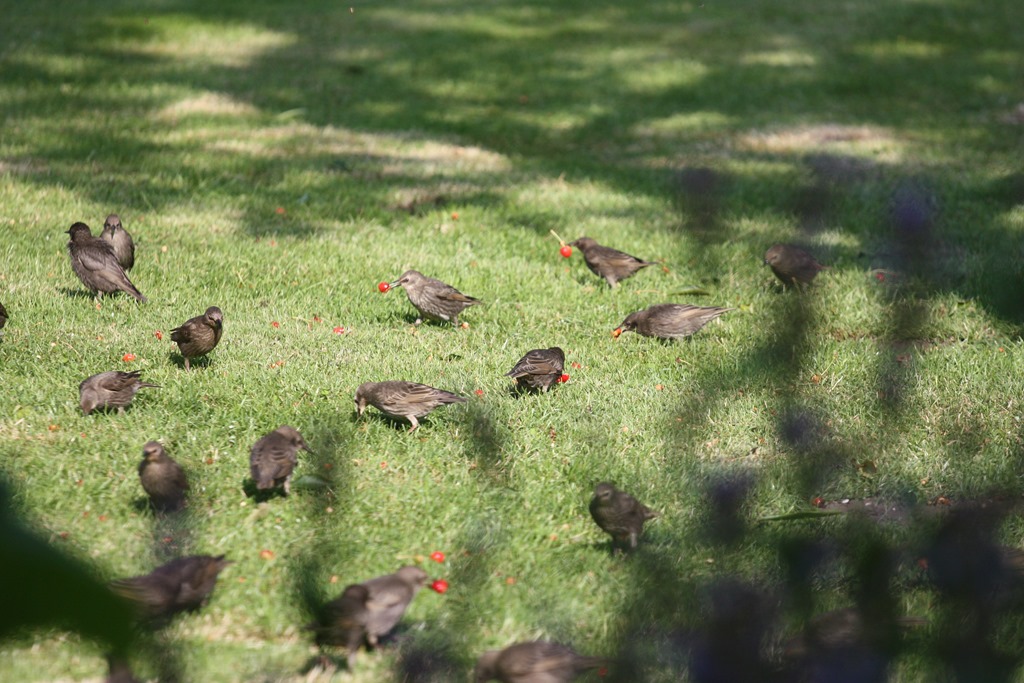
    We’ve got a large cherry tree in our front garden. Every year it gives a wonderful display of cherry blossom, followed by a large crop of cherries. Unfortunately, as soon as they are ripe, an equally large flock of starlings appears from nowhere and proceeds to strip the tree of fruit in very short order. This year I managed to get there just before them and pick enough fruit to make six pots of cherry jam. The starlings got the rest…

    060424-1402-31

    20070407-1437-35

    20090602-1725-07

    20140601-1652-20(001)

  • First Day Out

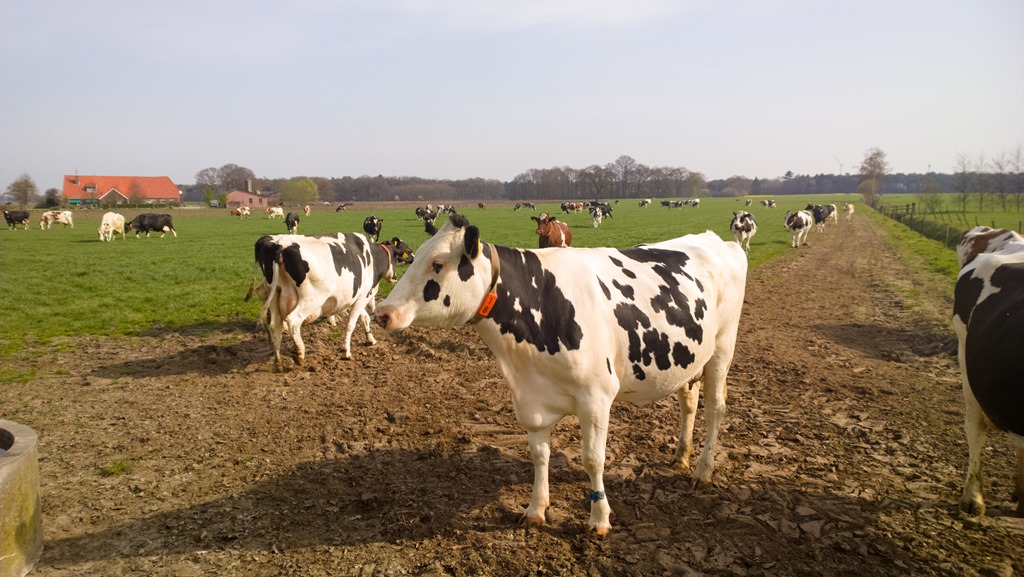
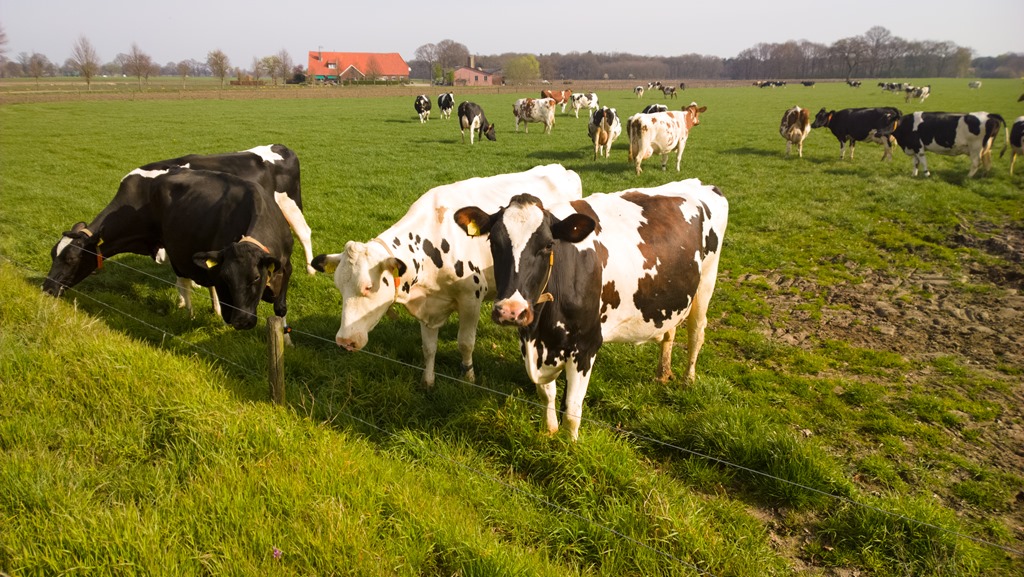
    Our neighbour has a herd of dairy cattle. During the winter, they are kept indoors, but come the spring, they are let out to graze in his fields. Today was the first time they were let out this year, and you can see from the videos that they are pleased to be out in the fields. In the second video, near the start, if you watch it fullscreen, you can just see a couple of hares running to avoid getting trampled on by a cow weighing 500 kg.

    WP_20140330_11_14_53_Raw__highres 

    WP_20140330_11_04_17_Raw__highres

  • Going Up In The World

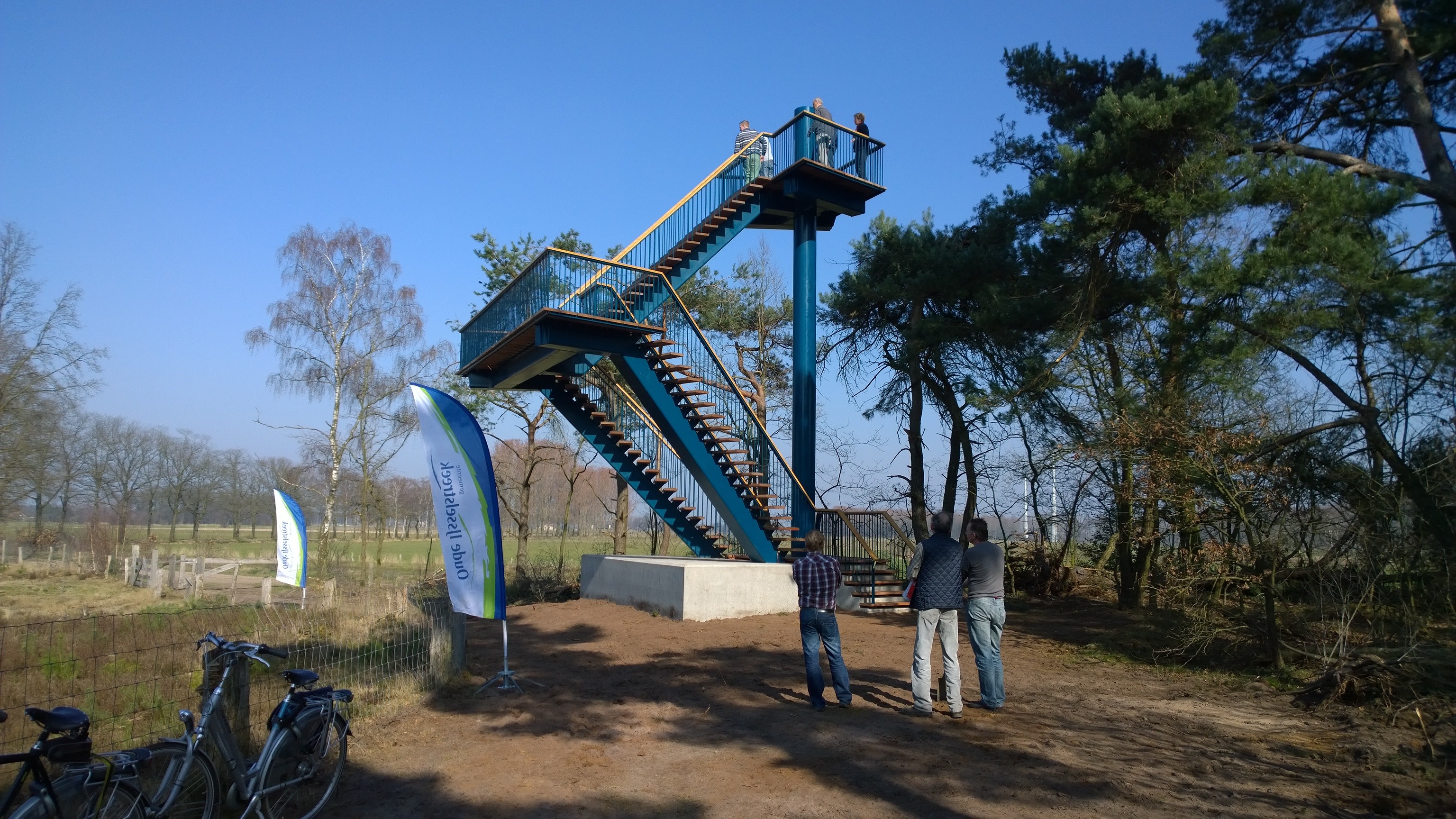
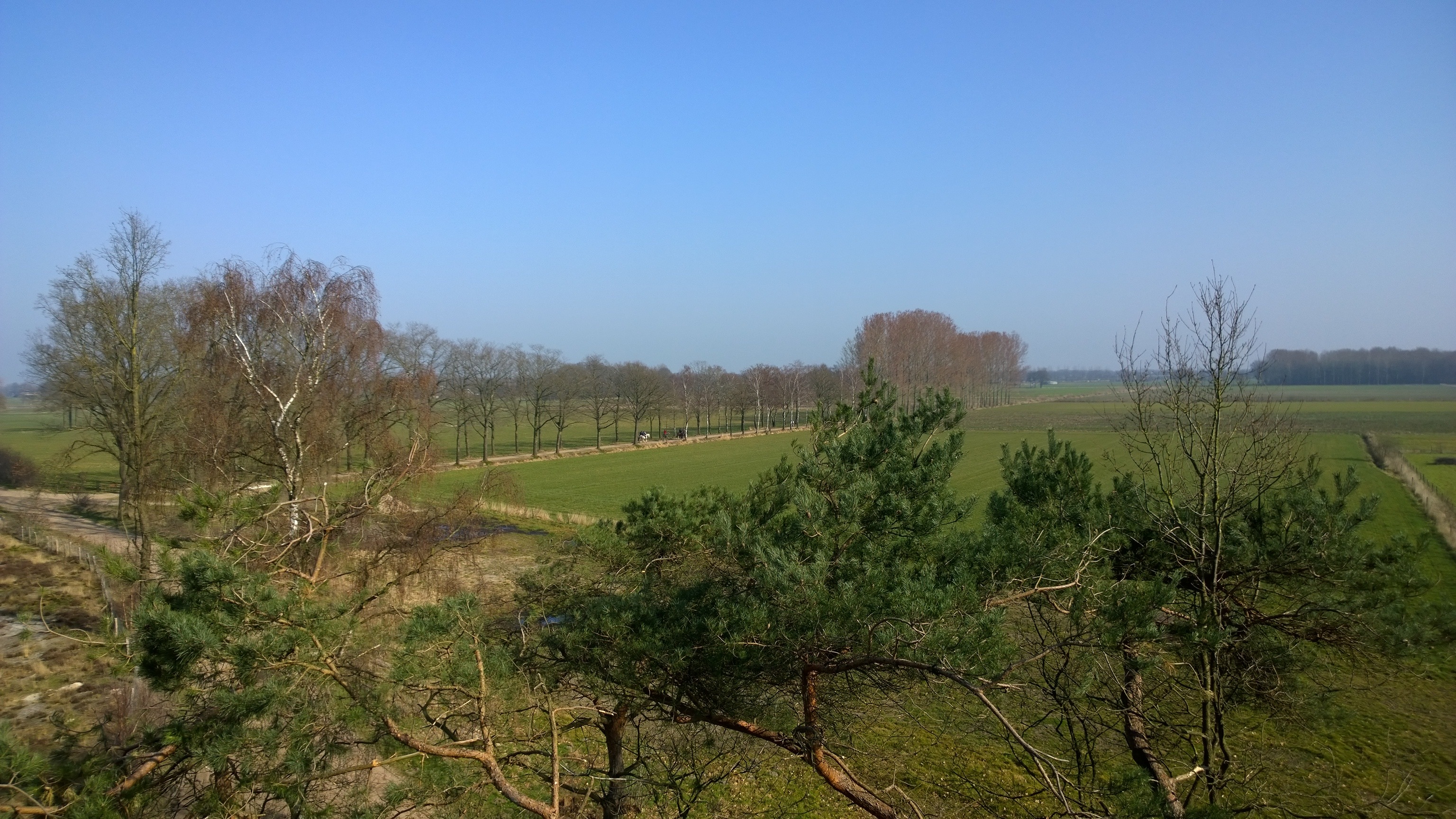
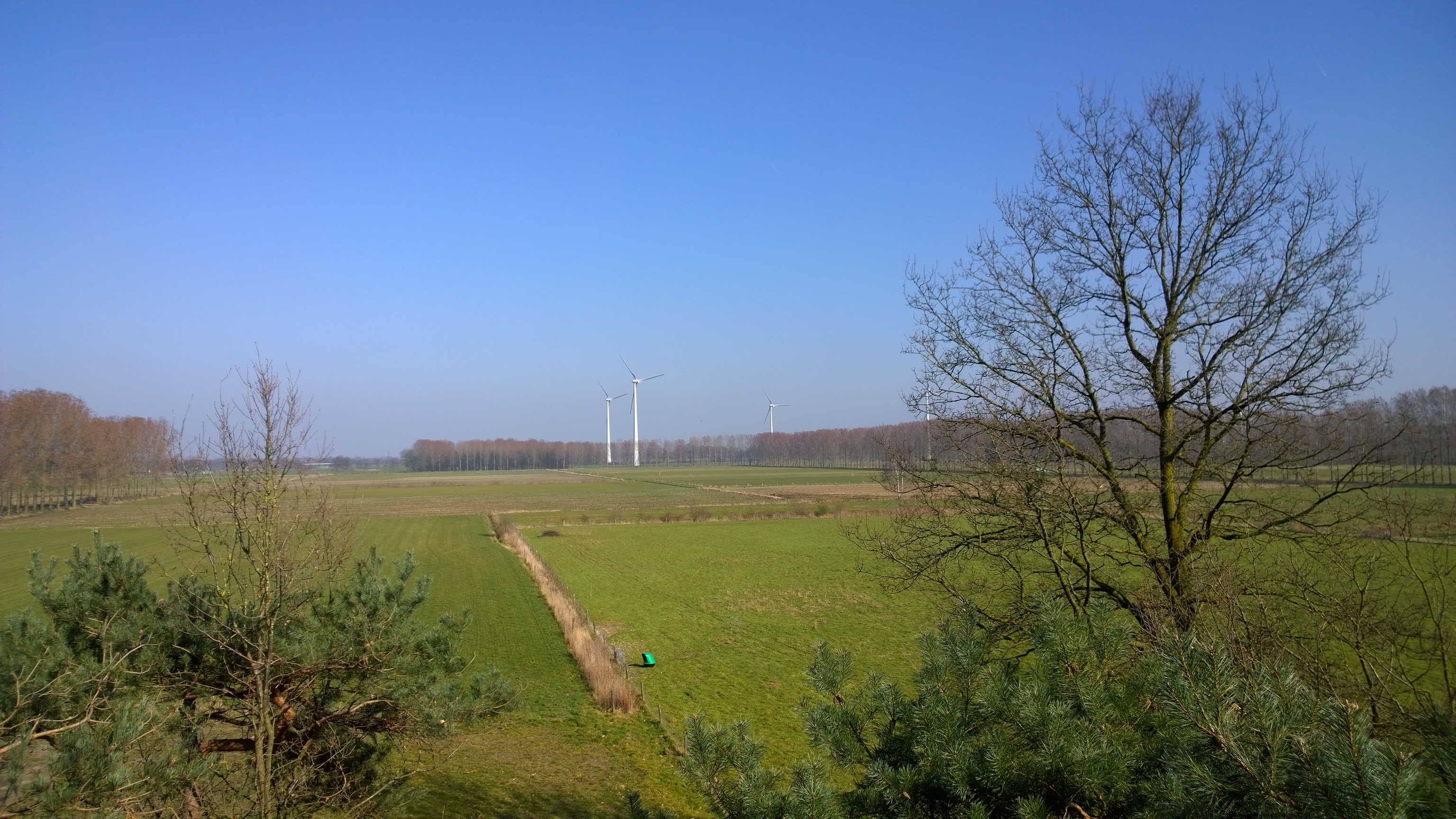
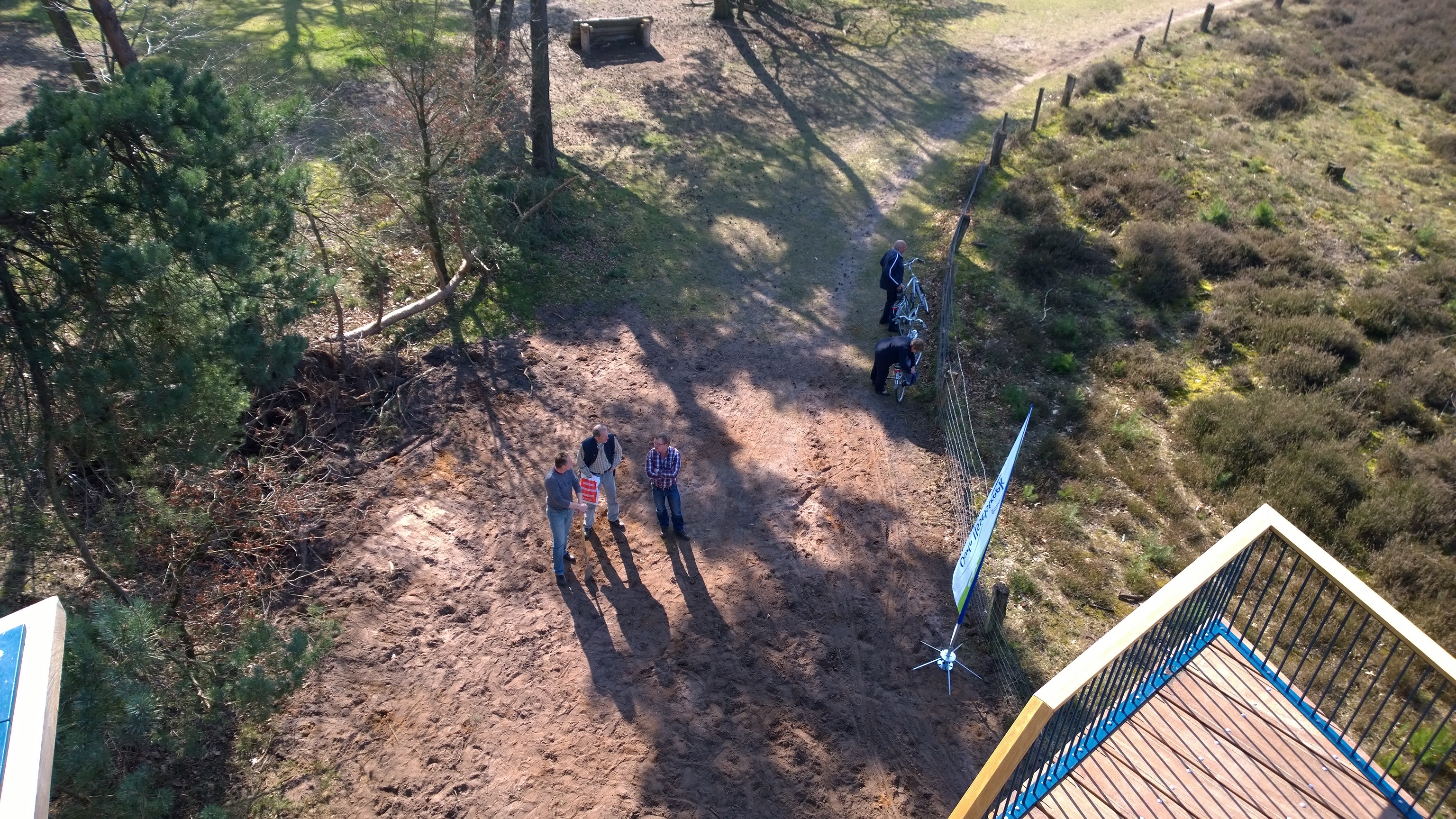
    Observation Towers have a long history. One has just been officially opened in a nature reserve nearby. It gives views over the Vennebulten woods and the Zwarte Veen fields. I went along yesterday to take a look. I willingly concede that it offers a new perspective on the surroundings, but a little bit of me thinks that it has the air of a modern day folly about it.

    20140101-1512-55

    And the views:

    20140101-1512-55

    20140101-1512-55

    20140101-1512-55

    20140101-1512-55

  • Autumn Sunset

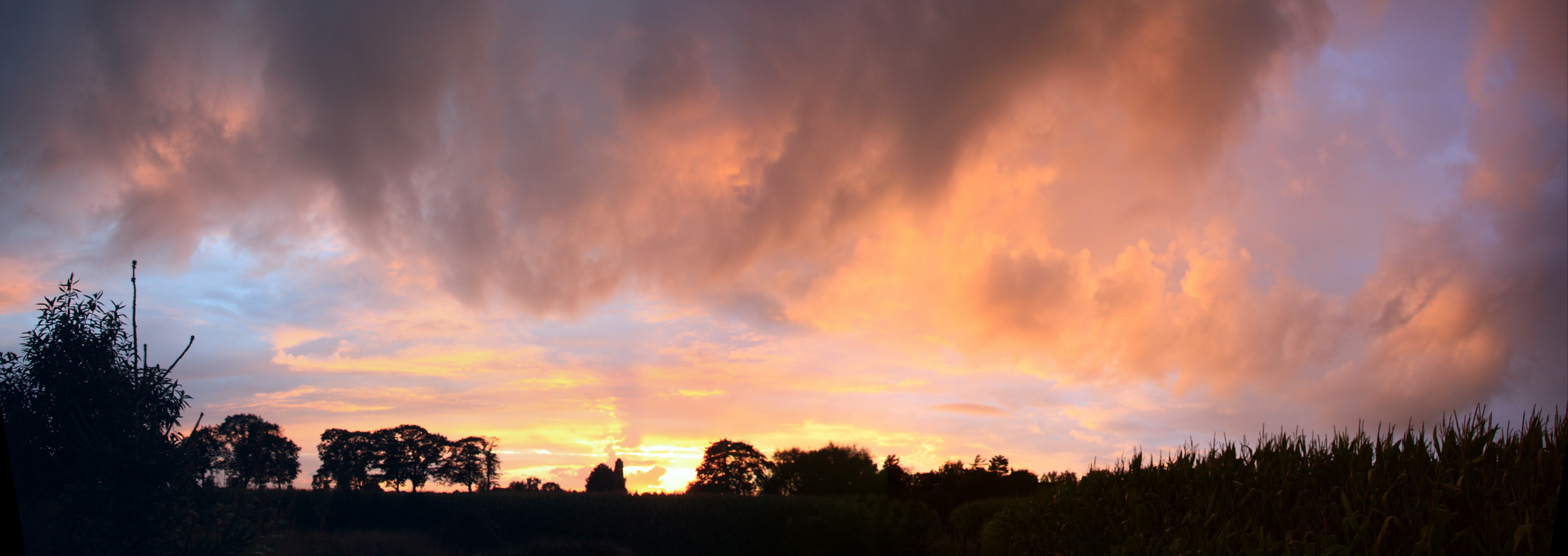
    Just a couple of pictures of a rather stunning sunset that we had here last week…

    20130918-1934-18

    20130918-1934-58 Stitch

  • Mellow Fruitfulness

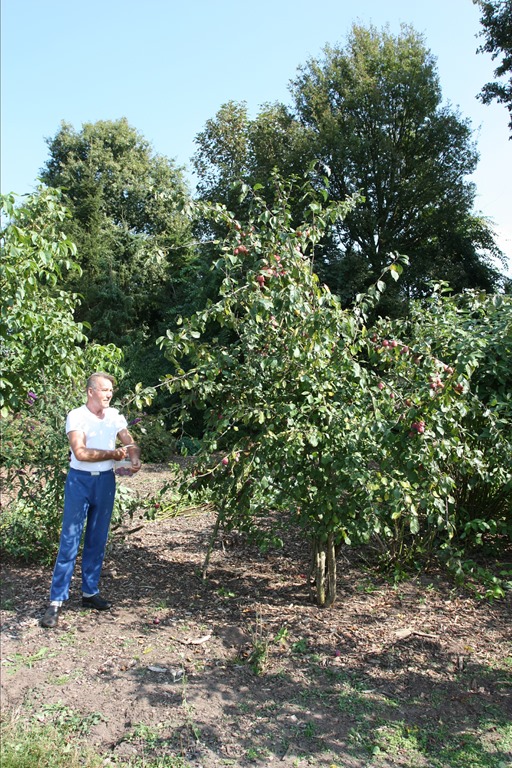
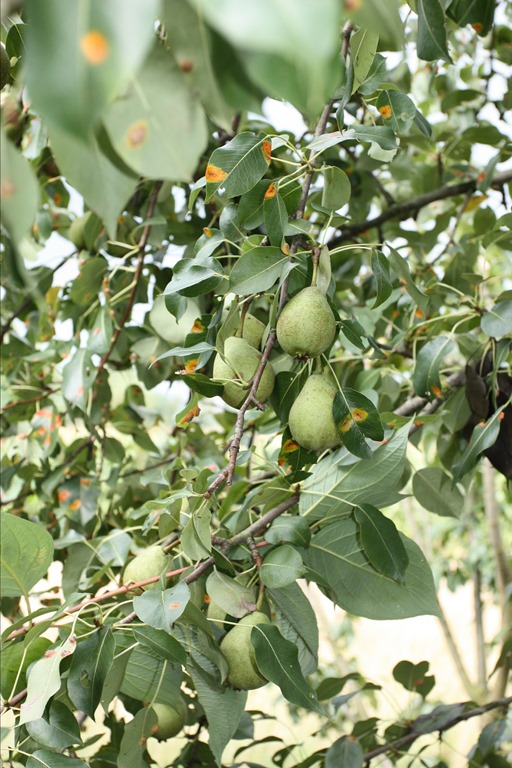
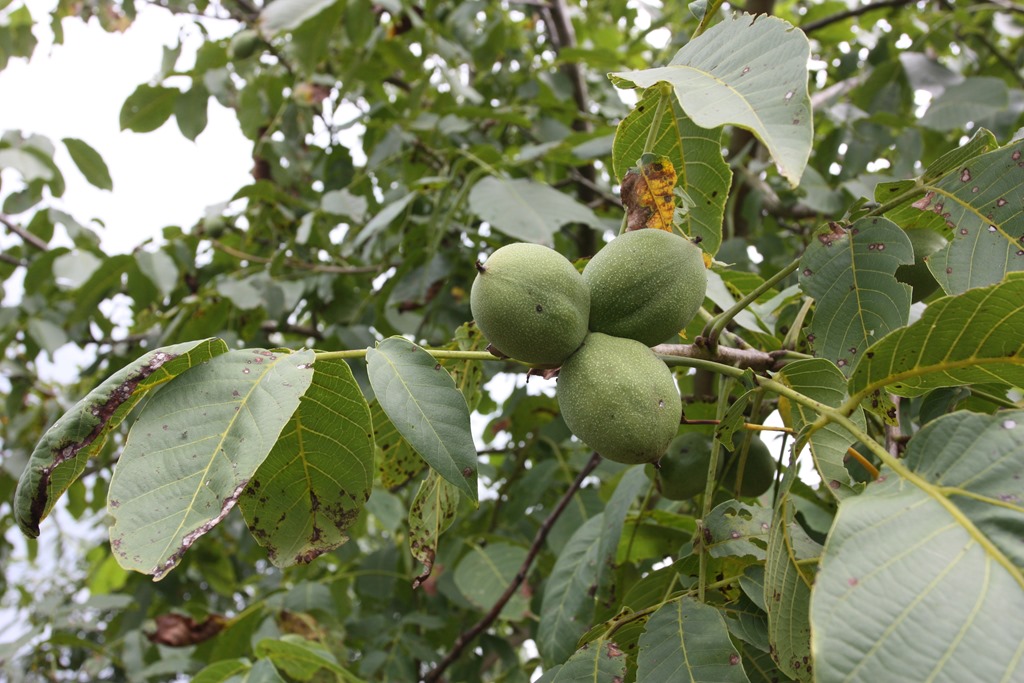
    At the moment, we’re seeing Keats’s poem To Autumn come to life all around us. We’re harvesting our fruit trees and shrubs. This year we have a bumper crop of plums, pears, elderberries and blackberries, backed up by a reasonable result from our walnut, hazelnut, and sweet chestnut trees.

    We have also discovered that we have Cornelian Cherry shrubs laden with berries, and so we’ll be making a new jam variety this year, to go alongside the pear jam (with hints of lemon and cinnamon), the blackberry and elderberry jams, and the plum jam and chutney. Trouble is, we’re rapidly running out of jam jars…

    20130904-1455-3120130911-1304-31

    20130911-1302-08

  • A Sense of Wonder

    The moon has stirred the imagination of humans for millennia. It still does. Here’s a view of the rising moon captured by Mark Gee. Worth watching.

    Full Moon Silhouettes from Mark Gee on Vimeo.

    (hat tip to Jerry Coyne)

  • Music In The Cathedral

    The ISS is one of science’s cathedrals. Scientists can also be musicians. Space Oddity has always been one of my favourite songs.

    Commander Chris Hadfield brings it all together. The special effects were all provided by nature. Wonderful.

  • Feynman’s Philosophy

    A good video that nicely summarises the philosophy of Richard Feynman, narrated by Feynman himself.

    A key section:

    “You see, one thing is I can live with doubt and uncertainty and not knowing. I think it’s much more interesting to live not knowing than to have answers which might be wrong. I have approximate answers and possible beliefs and different degrees of certainty about different thing but I’m not absolutely sure of anything and there are many things I don’t know anything about, but I don’t have to know an answer. I don’t feel frightened by not knowing things, by being lost in a mysterious universe without having any purpose, which is the way it really is as far as I can tell, possibly. It doesn’t frighten me.

    And so altogether I can’t believe the special stories that have been made up about our relationship to the universe at large, because they seem to be too simple, too connected, too local, too provincial…”

    Amen to that.

  • Best Laid Down – And Avoided

    In recent years, there’s been a fashion for “historical drama documentaries” on TV. You know the sort of thing – get a historian to front a programme on say, the Wars of the Roses, and fill most of the airtime with badly-paid and badly-acting extras re-enacting the battles. What could have been an opportunity for a knowledgeable expert to analyse a historical event gets pushed aside in favour of amateur dramatics and, shudder, “spectacle”.

    Tonight, for example, on BBC One, there will be a programme on Pompeii, fronted by Dr. Margaret Mountford. Now, Dr. Mountford recently completed her studies with her thesis on Papyrology, so she may well have the chops to be able to talk knowledgeably about the lives of Pompeiians in 79 AD, but I fear the worst. The programme is called Pompeii: The Mystery of the People Frozen in Time, and is billed as “a one-off landmark drama documentary”. The programme web site contains plenty of stills of costumed extras pretending to be citizens of Pompeii.

    Oh dear, this does not look promising. Particularly when I recall a documentary on the same subject that the BBC first broadcast in 2010: Pompeii: Life and Death in a Roman Town. No pointless dramatical reconstructions there – just an acknowledged expert on Roman life, Professor Mary Beard, talking about her beloved subject. And because of her knowledge and enthusiasm, she was able to bring the citizens of Pompeii to life for me far better than hordes of the toga-clad extras that I suspect will be paraded before us this evening.
    Just last year, the BBC broadcast a series of programmes made by Professor Beard on the Romans, and once again she brought them all to life without any need for “dramatical reconstructions”. Give me that sort of approach to history, and I’m happy. I think I’ll be giving Dr. Mountford’s drama documentary a miss this evening. I see that on BBC Two at the same time we have Sir Terry Pratchett contemplating the role of mankind in the eradication of the planet’s species, and considering his own inevitable extinction, hastened as it is likely to be by his Alzheimer’s disease. That sounds much more interesting and thought-provoking to me.

  • Aerial Ballet

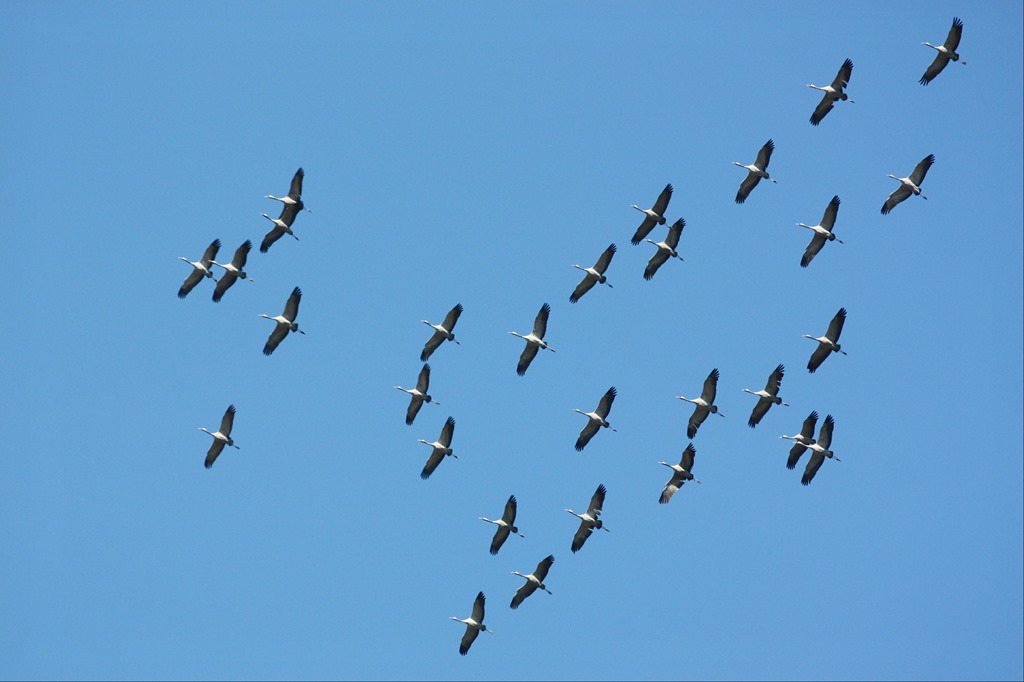
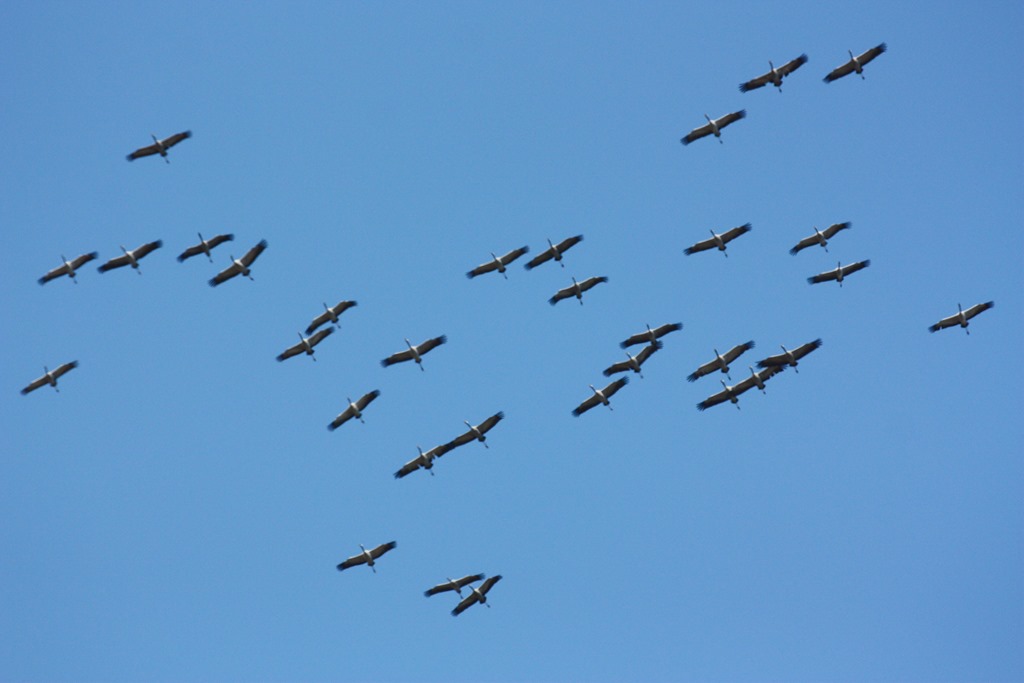
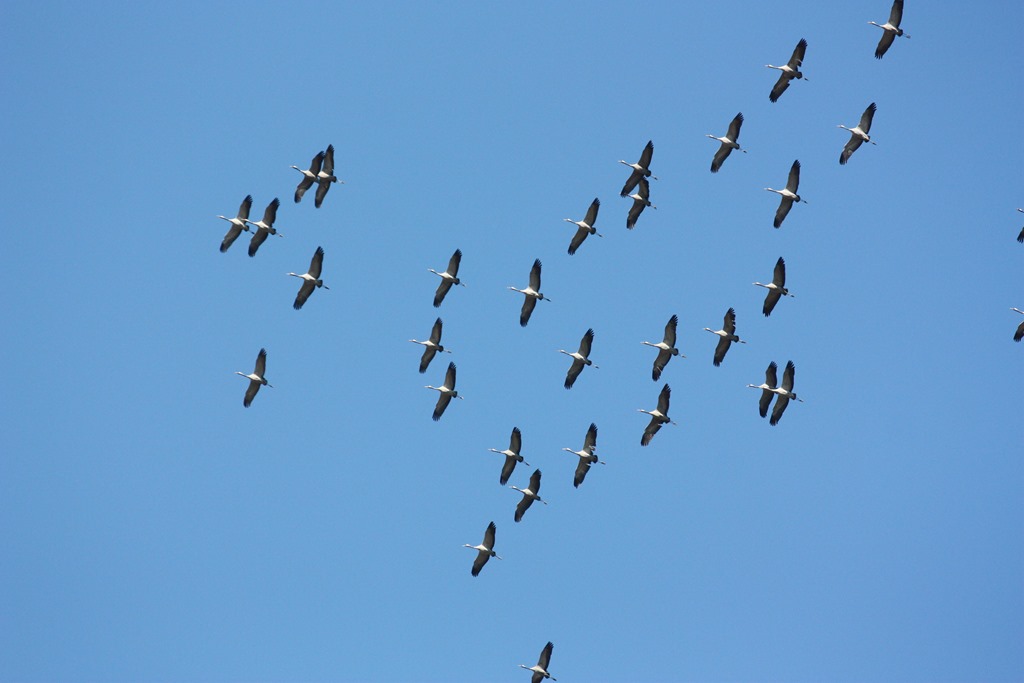
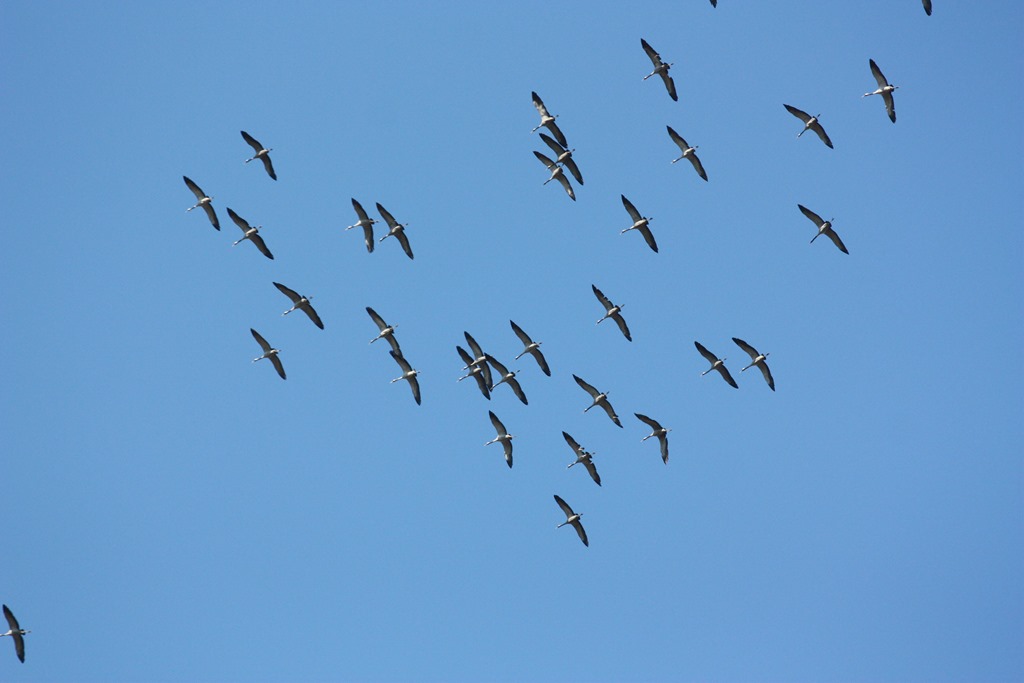
    I was out working in the garden today, when I became aware of bird cries that were unfamiliar. Looking up, I saw a flock of Cranes (Grus grus) lazily circling above the house.

    20130304-1424-50

    The flock of 38 birds continued circling and wheeling, gradually moving away to the North.

    20130304-1424-4820130304-1424-49

    20130304-1424-50(001)20130304-1424-53

    And, just as I’ve been writing this some hours later, I saw another, even larger, flock of cranes pass in single file over the house. Alas, I didn’t have time to grab the camera, I could only watch entranced as they disappeared Northwards into the twilight.

    Pure magic.

  • Intricate Processes of Fantastic Horror

    In the novel, The Midwich Cuckoos, by John Wyndham, one of the characters, Gordon Zellaby, says:

    “I wonder if a sillier and more ignorant catachresis than “Mother Nature” was ever perpetuated? It  is because nature is ruthless, hideous, and cruel beyond belief that it was necessary to invent civilization. One thinks of wild animals as savage but the fiercest of them begins to look almost domesticated when one considers the viciousness required of a survivor in the sea; as for the insects, their lives are sustained only by intricate processes of fantastic horror.” 

    Using that as a springboard, Kij Johnson has penned a page of unsettling ruminations: Mantis Wives.

    Eerie, disturbing, and practically factual descriptions of the sex lives of the Mantis.

  • A Close Shave

    On the other side of the lane that runs past our property is a narrow verge and a ditch. Every year in Spring, the verge erupts with nettles. And every year, I do battle with the brush-cutter to try and trim the verge back a bit.

    This year was no different. Yesterday, I strode forth and did battle with the nettles such that they lay vanquished.

    This morning, I noticed that Watson, our youngest Labrador, was interested in something that had been exposed by the trimming of the nettles.

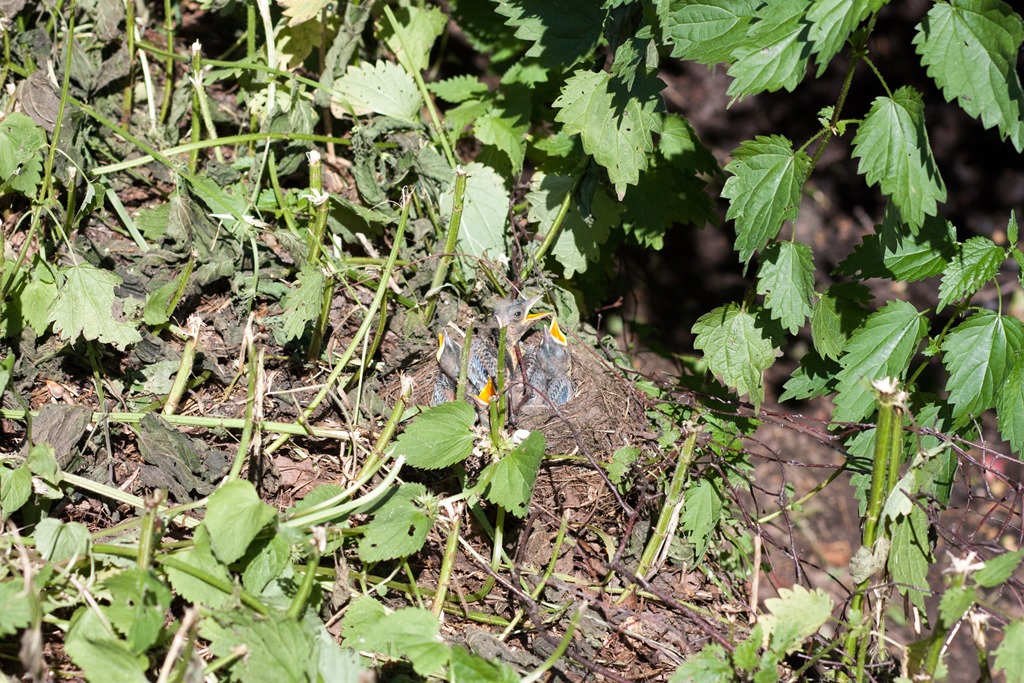
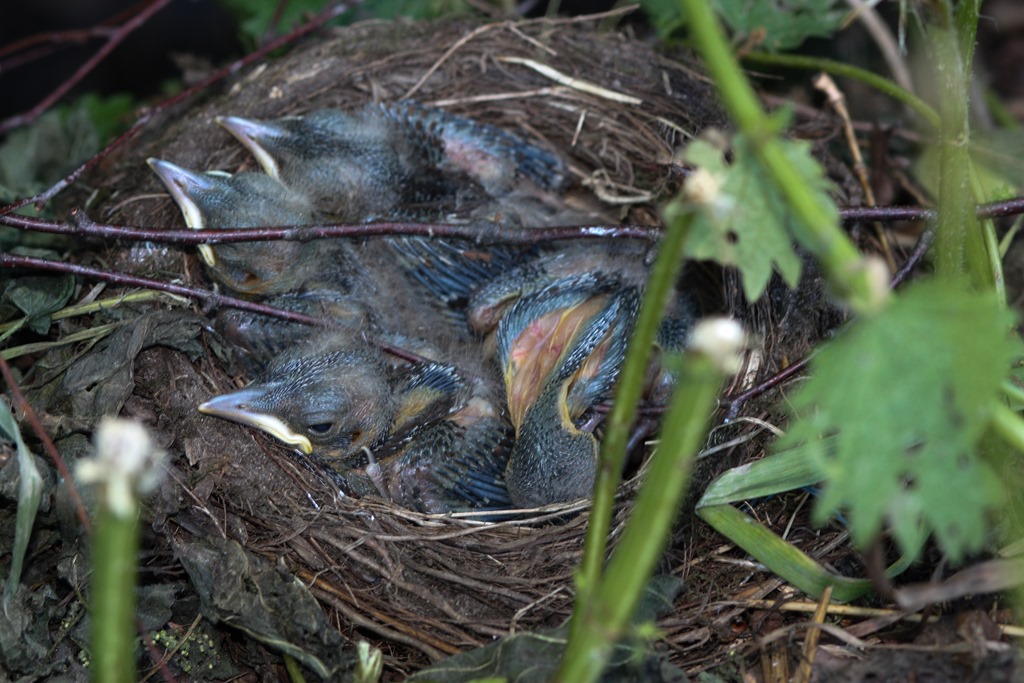
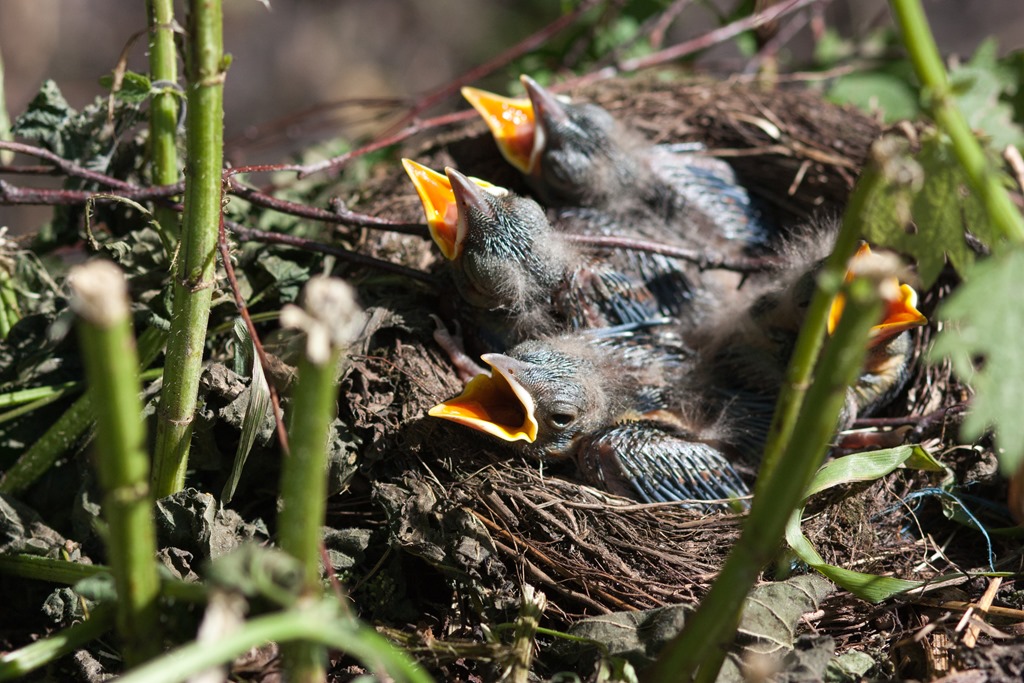
    It turned out to be a blackbird’s nest. I’m surprised that she had built it at ground-level, even if it had been hidden in the nettles. While I’m thankful that I didn’t decapitate the chicks, I do fear for their safety now that they are so exposed.

    20120526-1555-15

    20120526-1145-39

    20120526-1554-36

    Update: as I feared, one day later and the nest is empty. The chicks have been predated.

  • Garden Visitor

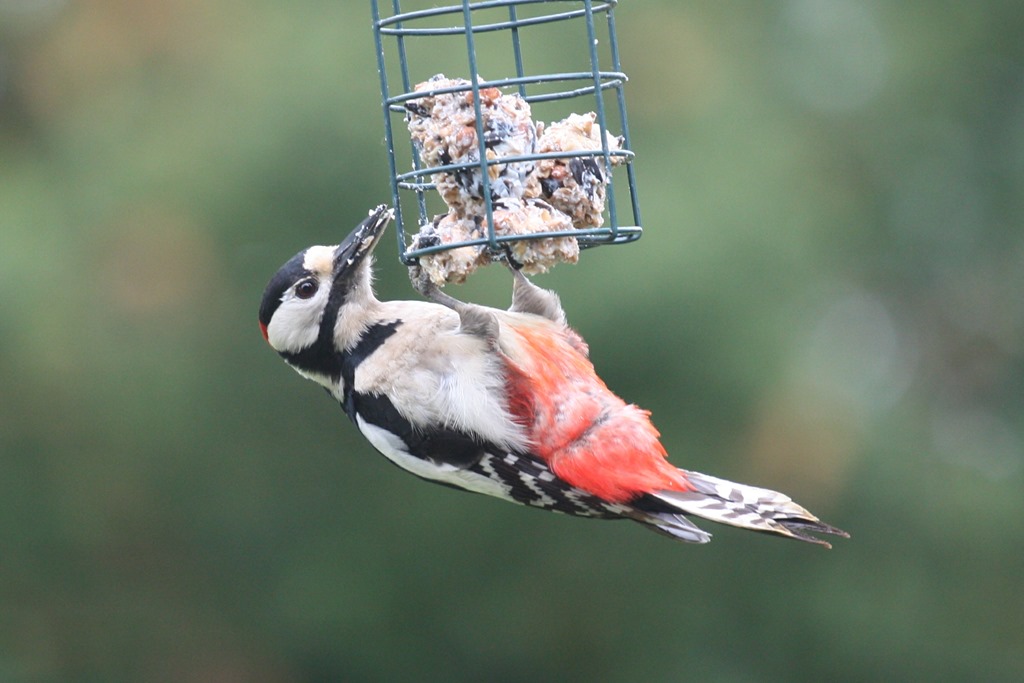
    We had a visitor at the bird feeder yesterday. It was a female Great Spotted Woodpecker (Dendrocopus major) making the most of the last remaining scraps of food. While we often see (or hear) a pair of Green Woodpeckers in the garden, the Great Spotted variety mostly stick to the woods nearby.

    20120503-1654-03(001)

    20120503-1654-29(002)

  • Blogging Logging

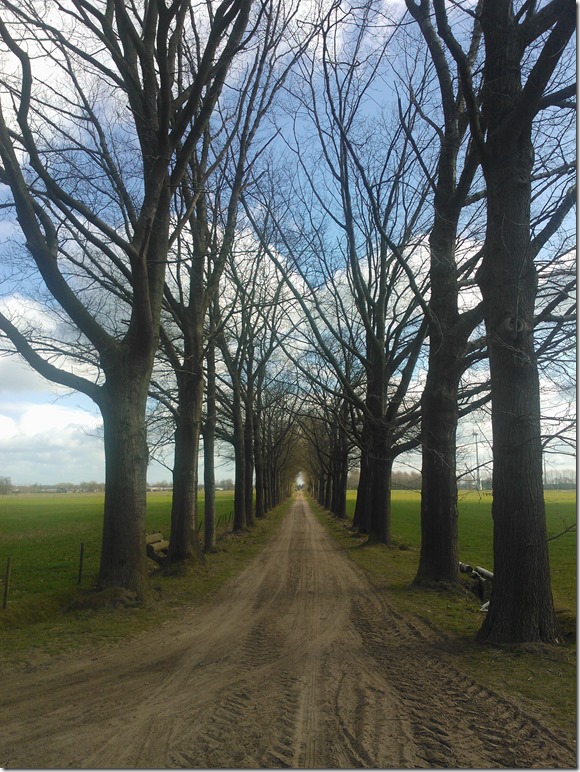
    Near where we live is an area known as the Zwarte Veen (the Black Bog). The bog has long since been drained and is now farmland. We often walk the dogs along a track running through the area. The track has had trees planted on either side, and these are now mature.

    20120407-1054-55

    The owners of the trees have started logging at the end of the avenue. Seeing them piled up by the side of the road brings home just how big the trees were.

    20120407-1053-44

  • It’s the Daffodils Turn

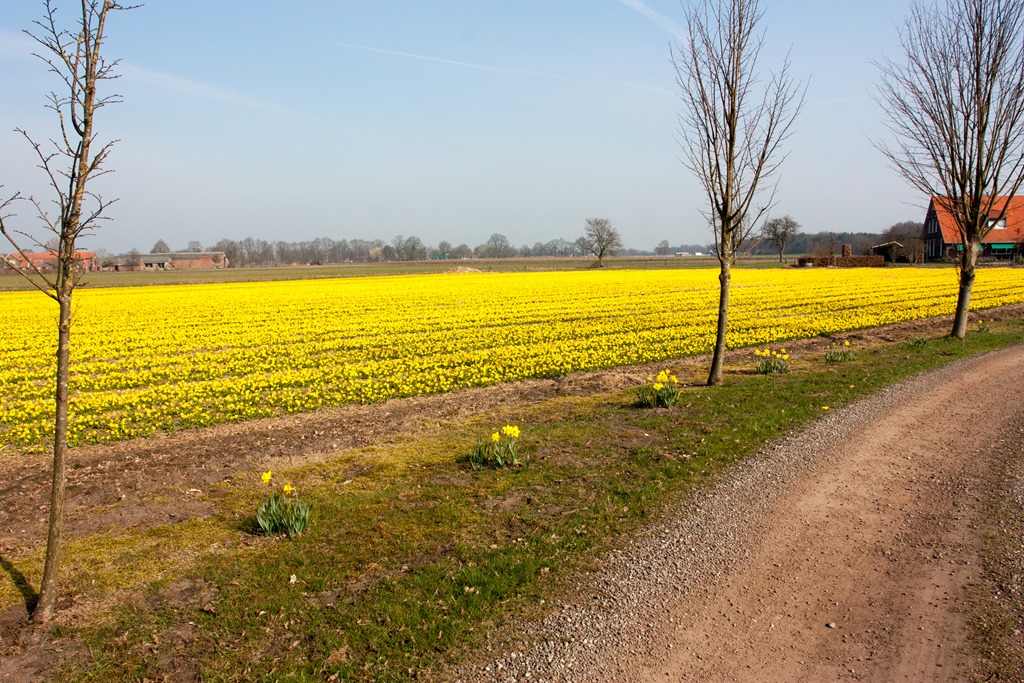
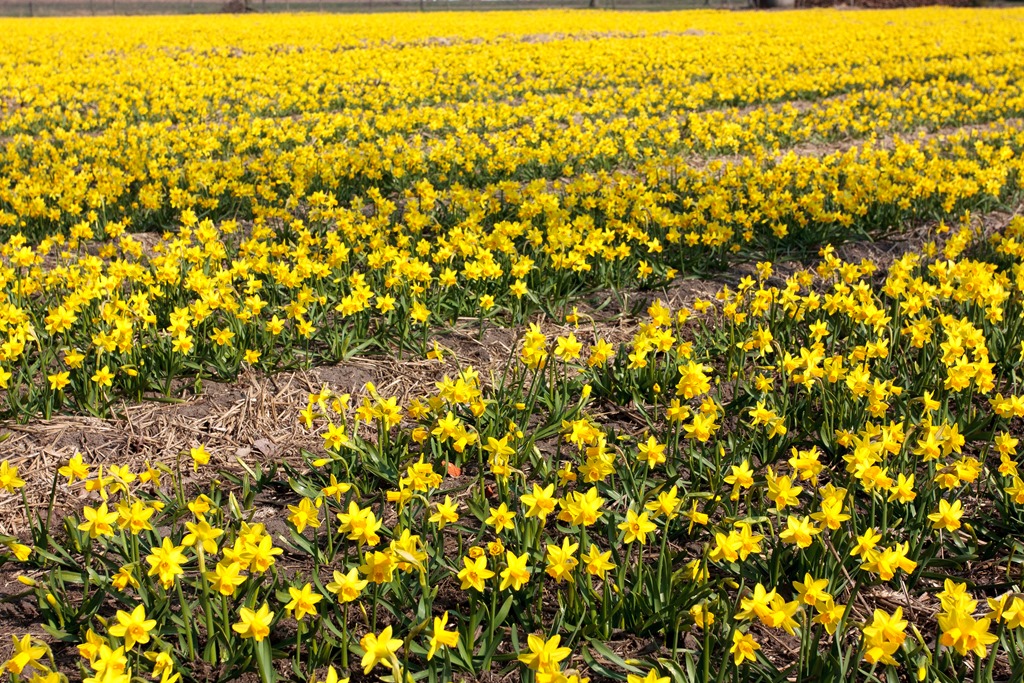
    Following on from my post about the field of crocuses, it’s now the turn of the daffodils to have their day in the sun…

    20120324-1018-10

    20120324-1051-43

  • Field of Crocuses

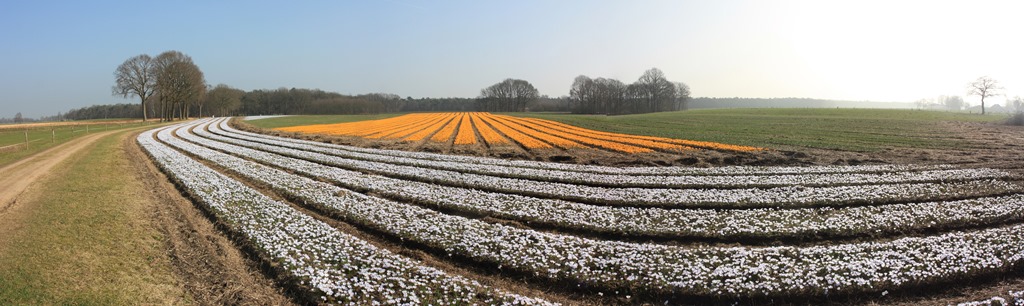
    One of our local farmers has changed from growing the usual crops to cultivating flowers. His fields are currently full of crocuses.

    20120315-1038-34 Stitch

    20120315-1038-00

    20120315-1039-21

    20120315-1110-33

  • Watson and the Sirens

    As part of the national disaster warning system, there are over 4,000 sirens placed around the Netherlands. These are tested at 12:00 on the first Monday of every month for a couple of minutes.

    Our younger dog, Watson, reacts to the sound of these sirens by howling in sympathy. Perhaps it’s some deep-seated instinct that he’s inherited from his wolf ancestors? Whatever the reason, he always reacts this way on the first Monday of every month.

    I see from Youtube that many other dogs react this way, so perhaps there is some instinctive reaction at work here.